Preforming: setting the shape before you touch the fine wheels
Before fine grinding, you rough-shape the cab. Here is why it matters and what you establish.
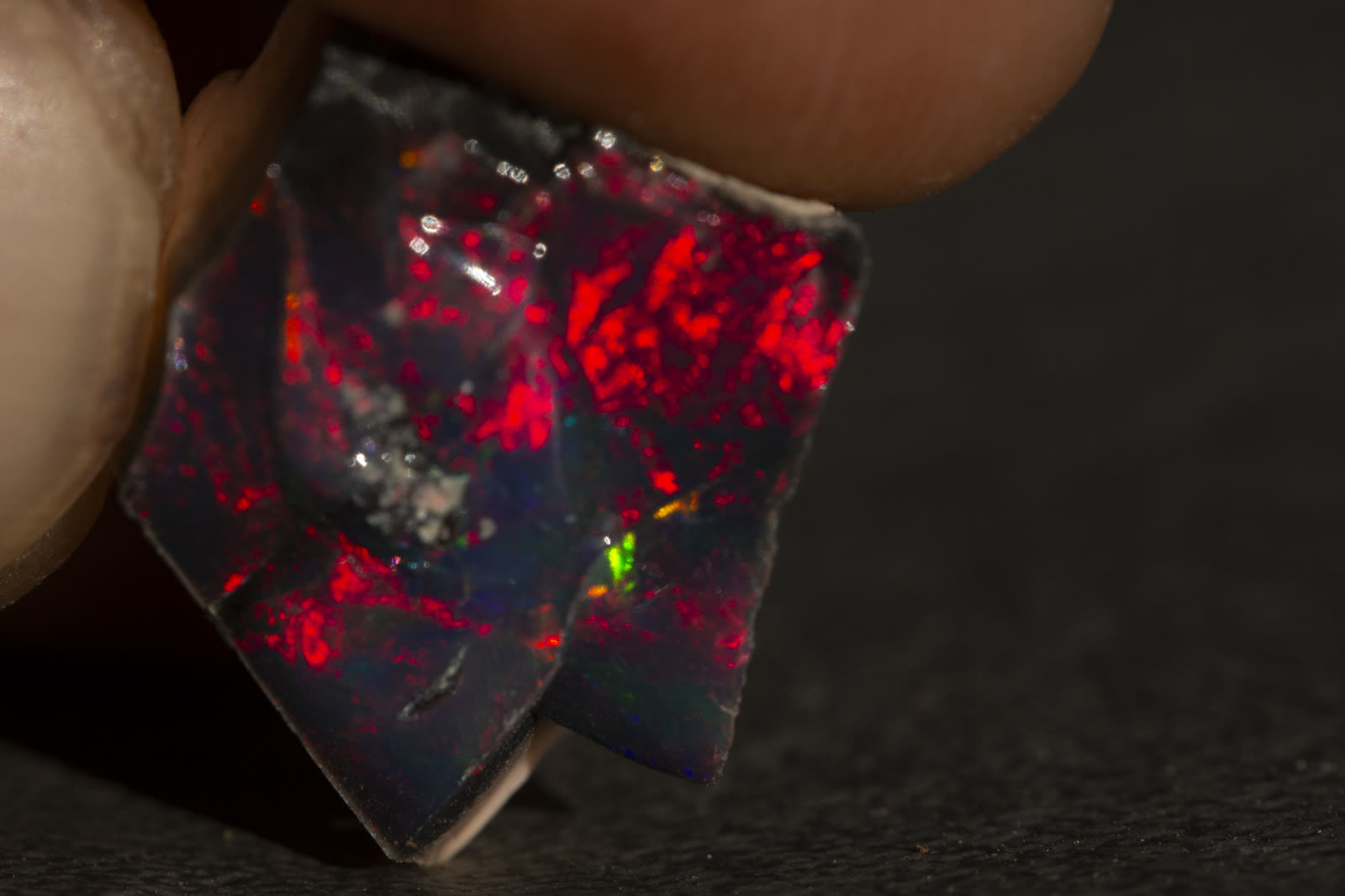
Preforming is the step between rough and the first fine grinding wheel. Before you shape the dome on precision wheels, you establish the basic footprint of the finished cab — the outline at the girdle line — using a coarse wheel, a trim saw, or a flat lap. The shape gets close without being final. The fine wheels take it the rest of the way.
Why not skip it? Fine grinding wheels are expensive and wear faster when removing large volumes of material. A trim saw or 80-grit wheel removes bulk quickly without burning up a 600-grit diamond lap. Preforming also forces the orientation and size commitment before you have invested time in fine work — you can still change your mind at this stage without much loss.
What to establish in the preform
Three things: the cab outline at the girdle plane, the approximate dome geometry, and the finished size target. Mark the girdle line on the stone with a Sharpie before you start — a visible reference for where you are grinding down to. Once the preform matches the outline and the rough dome shape is present, move to the fine wheels.
The common mistake is preforming too small. The preform should be slightly oversize in all dimensions — a millimeter or two larger than the target finished stone. You remove that material on the fine wheels where you have better control over the final dimensions. Taking too much off in the preform means you cannot recover. Taking too little means you have exactly the right amount left to clean up precisely.