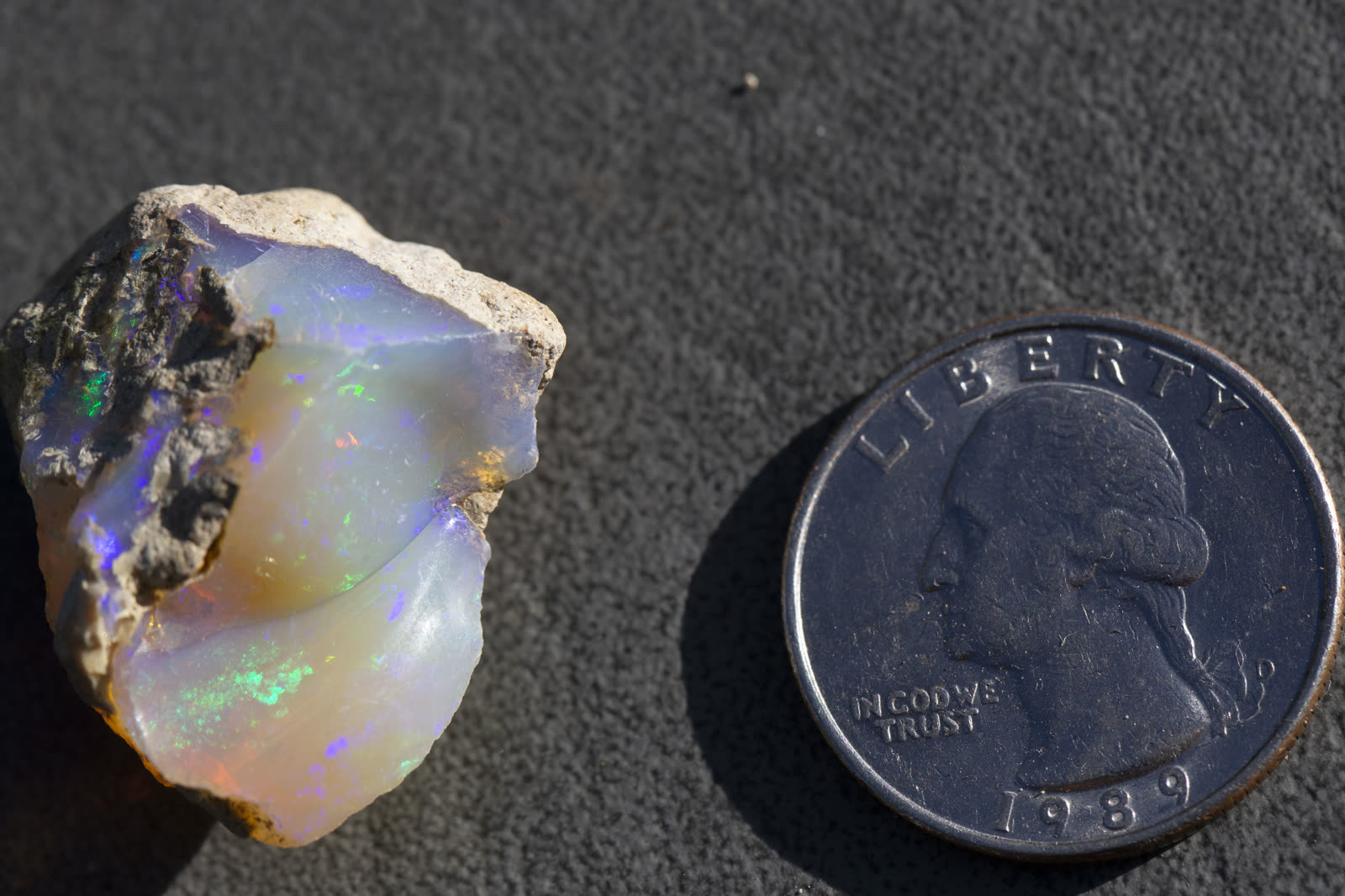
The bench · 4 min
Freeform or calibrated: which shape to cut
A calibrated cab fits any standard setting. A freeform follows the stone. Here is how to decide which one the rough is asking for.
Read the postOpals, cutting, and how this shop came to be. Written at the same bench the stones come off.
A calibrated cab fits any standard setting. A freeform follows the stone. Here is how to decide which one the rough is asking for.
Read the post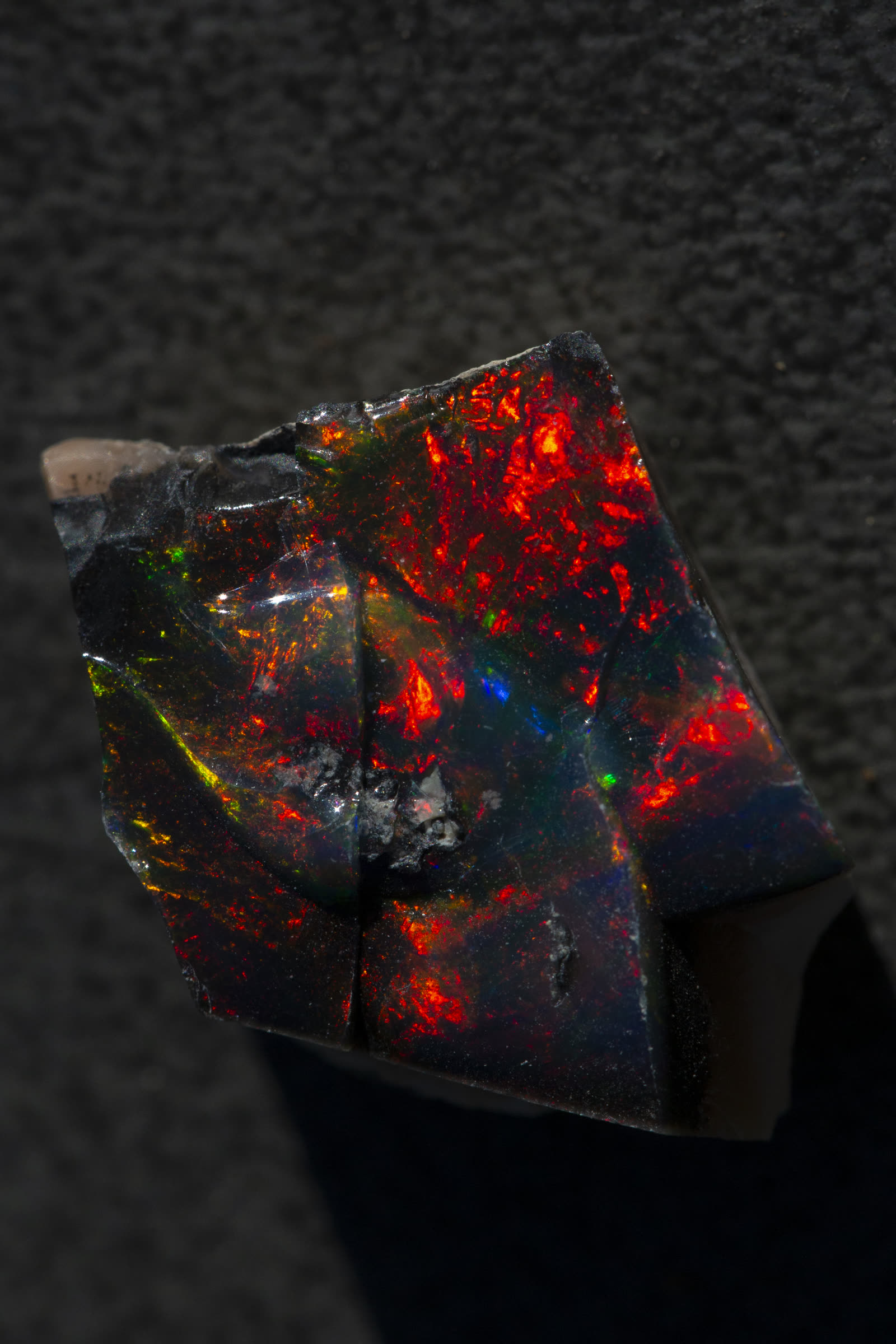
Opal photography is about light placement, not equipment. Here is the setup that works.
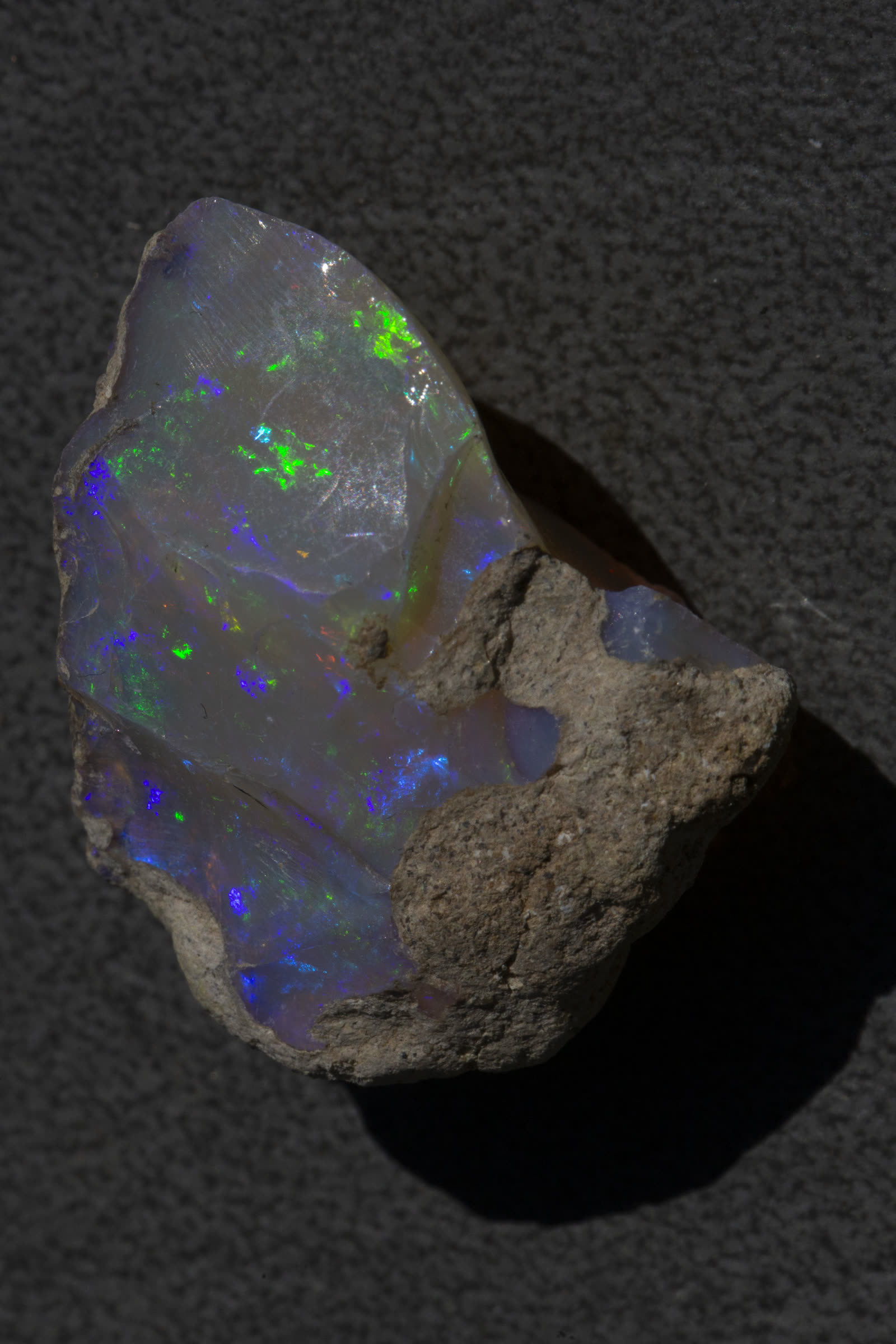
The test for a finished cab is a point source of light and a loupe. Here is what you are looking for.
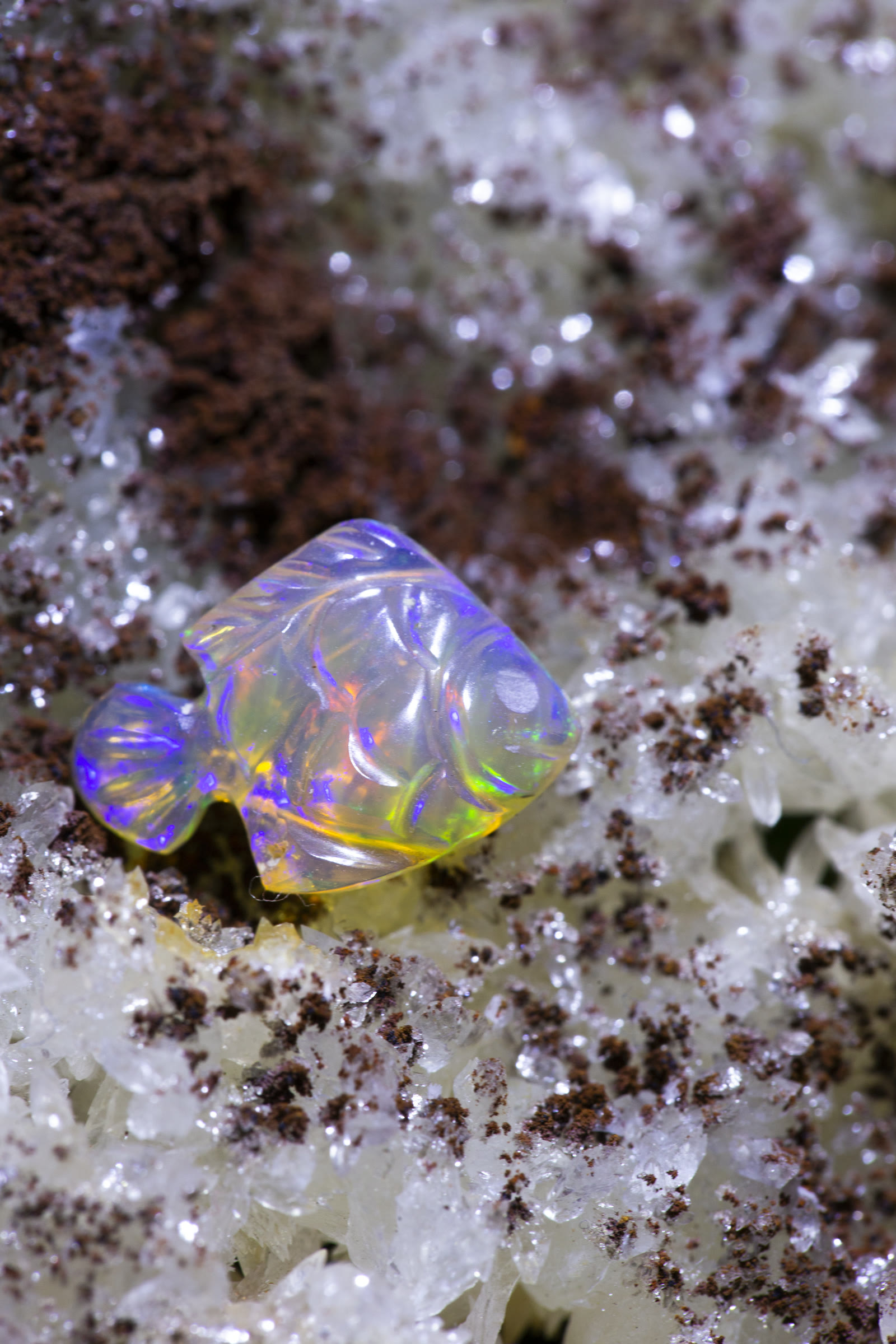
Most opal cutting happens on flat wheels. Carving is different — three-dimensional work with diamond burs, done slowly.
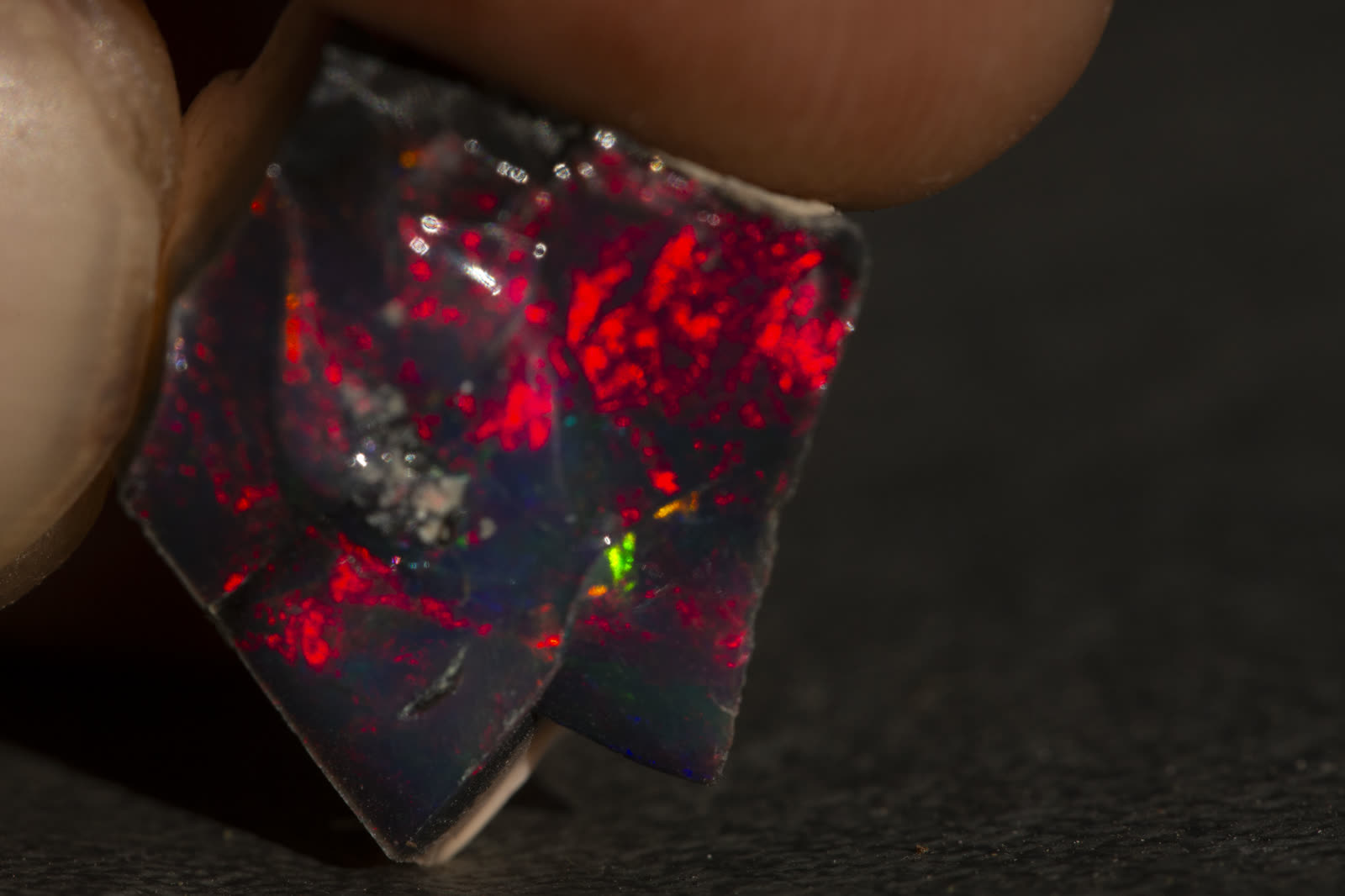
Before fine grinding, you rough-shape the cab. Here is why it matters and what you establish.
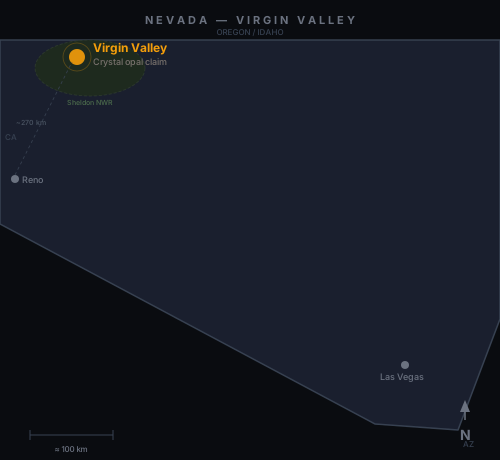
The northwest corner of Nevada sits on ancient volcanic ash layers. Here is what that means for the opal that forms there.
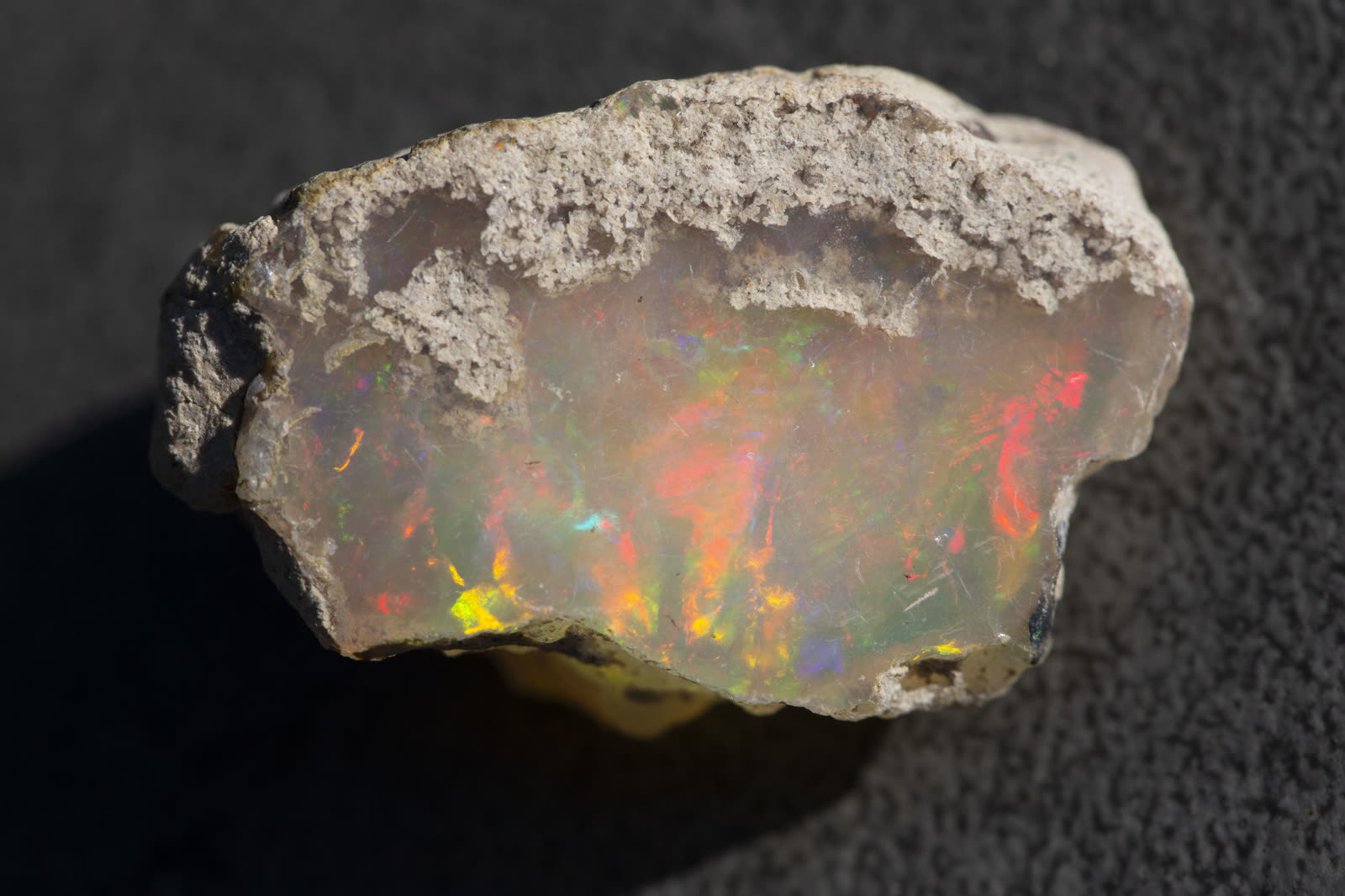
Ethiopian opal absorbs water. Here is what that means for care, and how the same property exposes one of the market's most common frauds.
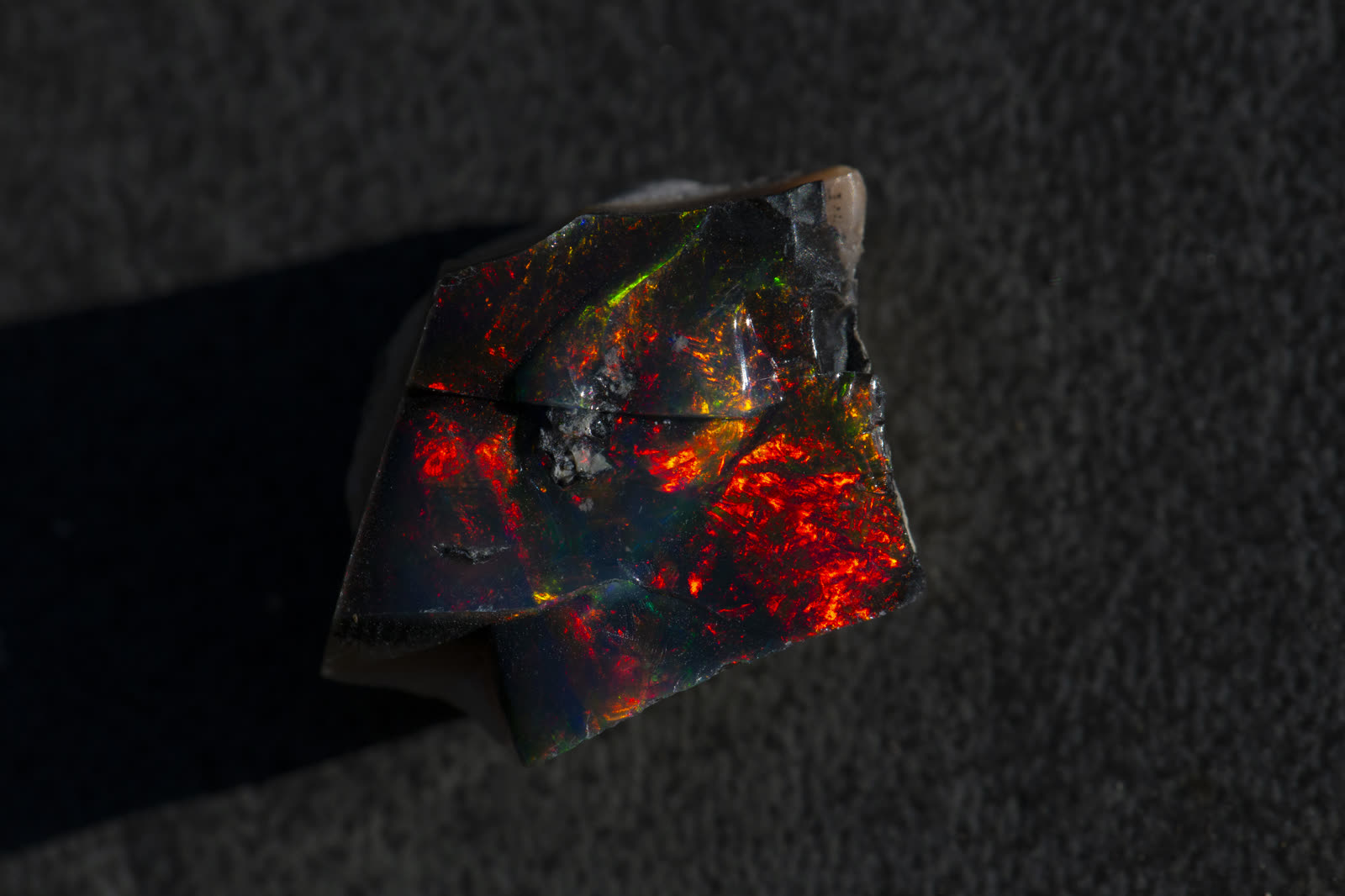
The single most consequential decision in cutting opal — made before the first wheel pass.
The last stage and the most visible one. What goes on the wheel, at what speed, and how you know when it is done.
The logic of a grit progression — why you cannot skip stages and what water does for the stone.
Before you grind a cab, you need to hold it. Here is how dopping works and why the alignment matters.
What happens between a piece of rough opal and a finished cabochon. The full sequence.
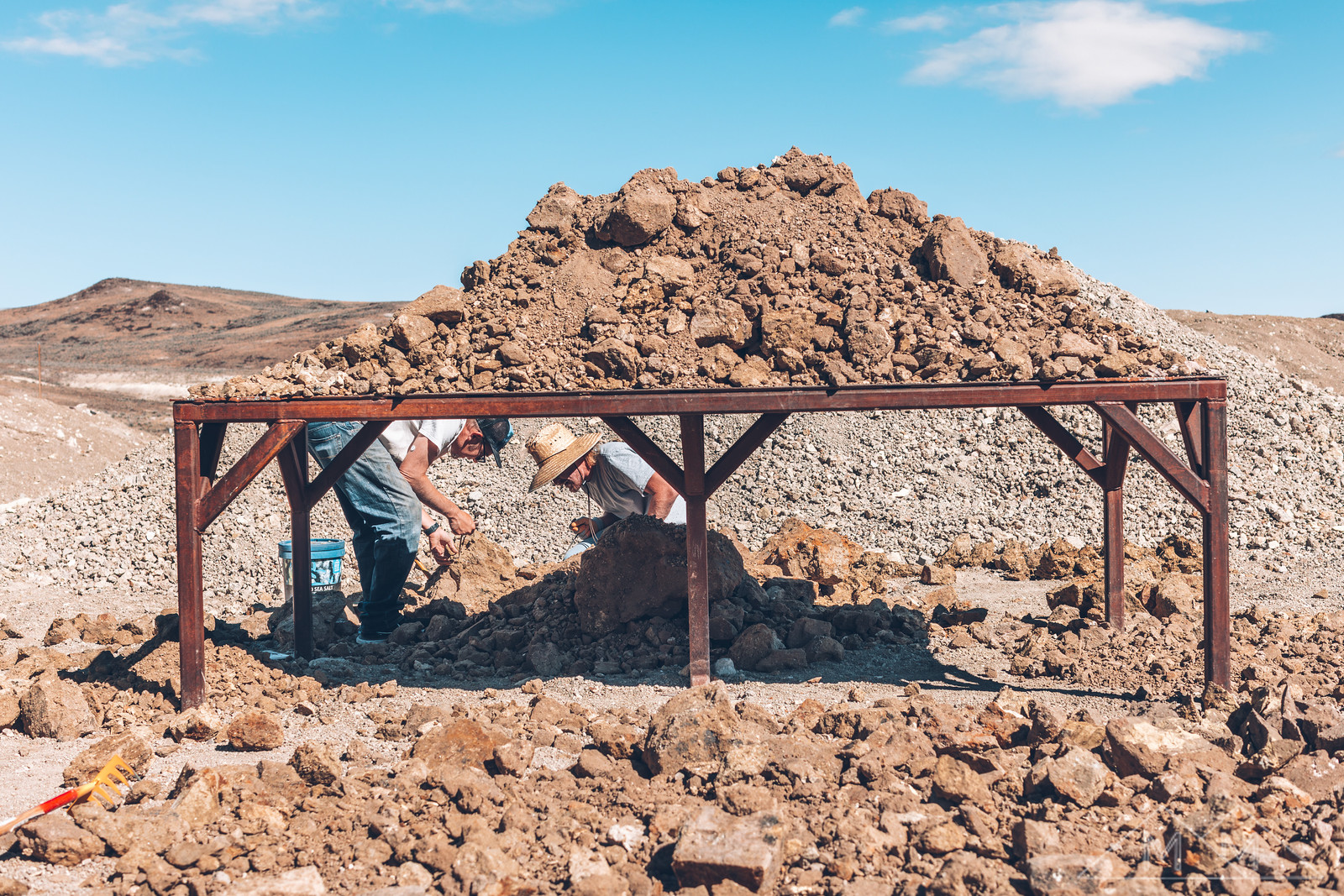
The opal is in bentonite clay, not hard rock. Here is what a day of digging looks like on the claim.
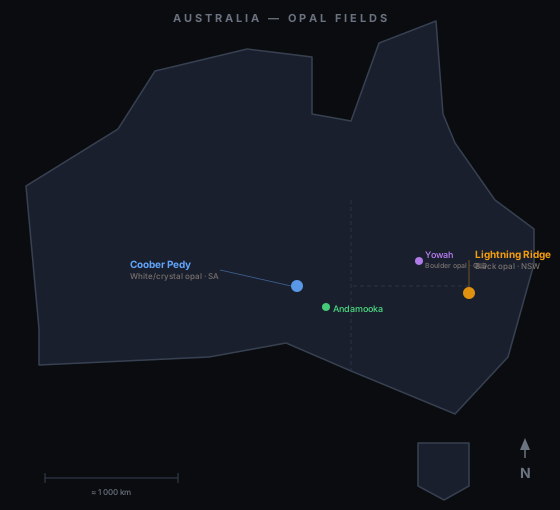
Lightning Ridge, Coober Pedy, Andamooka, the Queensland boulder fields — a map of where Australian opal comes from.
One of the opal market's most common frauds. Here is how it works and how to test for it.
What's come through the shop this month, what got cut, and what's heading out the door.
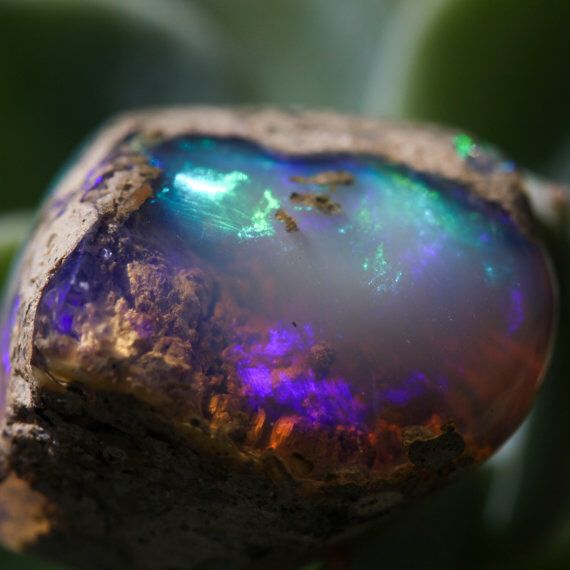
Pinfire is the densest play-of-color pattern — thousands of tiny points packed across the face. The still water stone is one of the better examples on the bench.
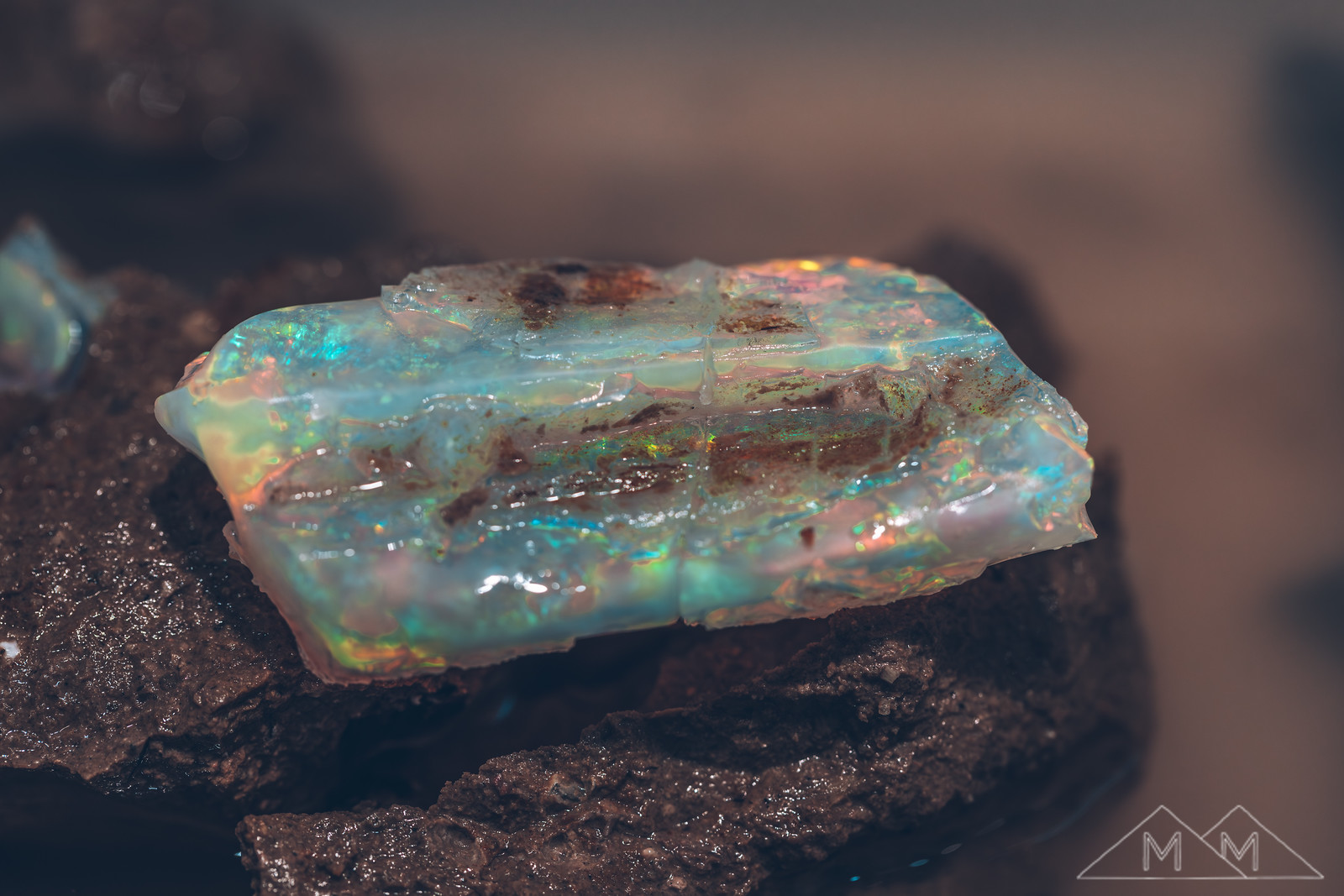
Virgin Valley in the fall. What the claim looks like in late summer, and what we go in expecting.
What actually damages opal, what doesn't, and what to do if you wear it every day.
Lightning Ridge, Coober Pedy, the Ethiopian Highlands, Virgin Valley. Different places, different stone.
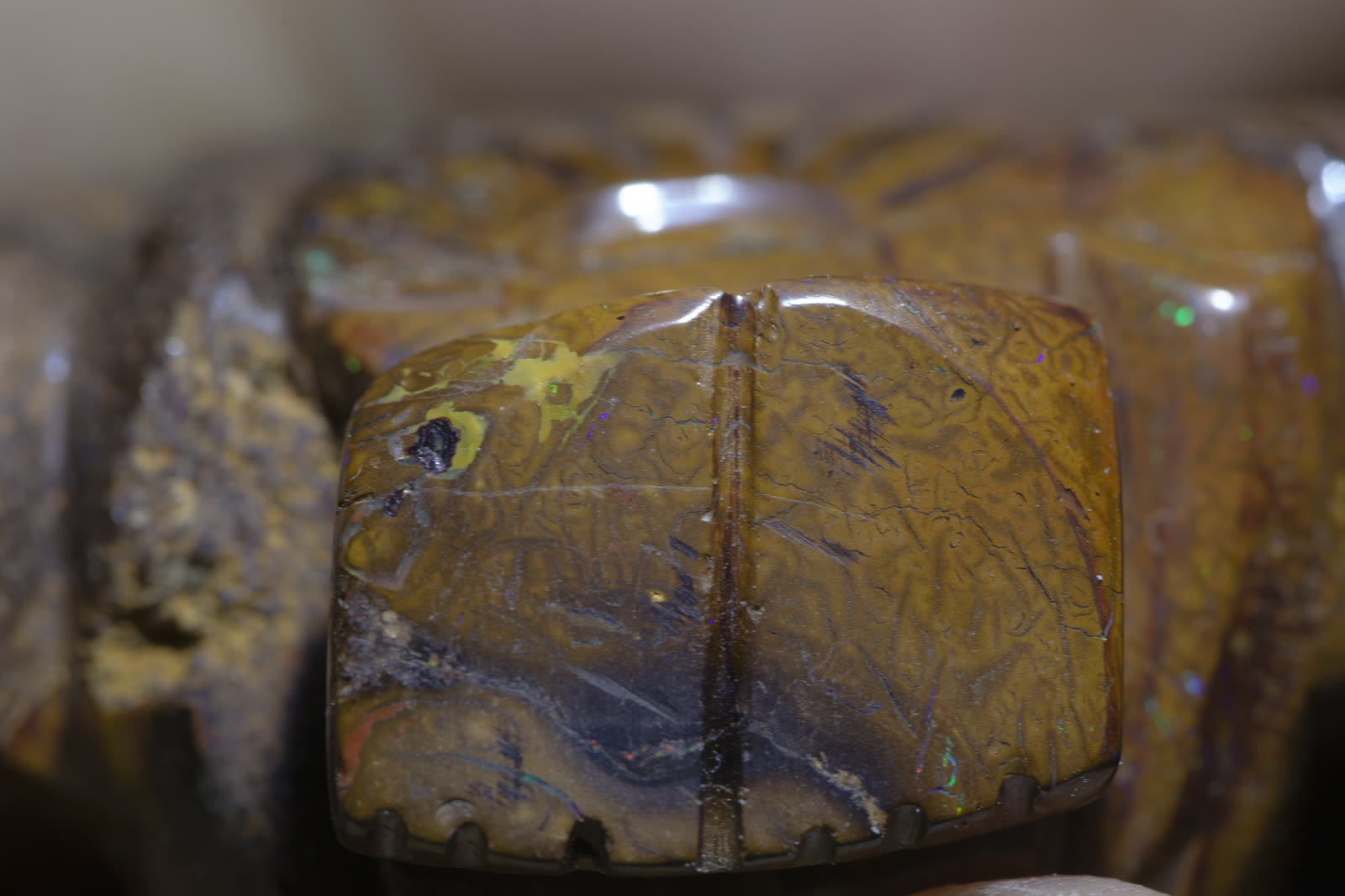
Boulder opal from Queensland's ironstone country — where the matrix is the point, not the inconvenience.
Three types of opal jewelry stone. The one question every buyer should ask before handing over money.
Every opal photo lies a little. Here's what a camera can't capture and why it matters when you're buying.
The price range in opal is enormous. Here's what actually drives value and what to look for at any budget.
Bezel, prong, wire wrap — the setting choice affects how long the stone survives and how it looks. Here's what works.
Carat weight tells you less about opal than it does about almost any other gem. Here's what matters instead.
The same play-of-color on a dark body and a light body are not the same thing. Here's why dark body opal looks the way it does.
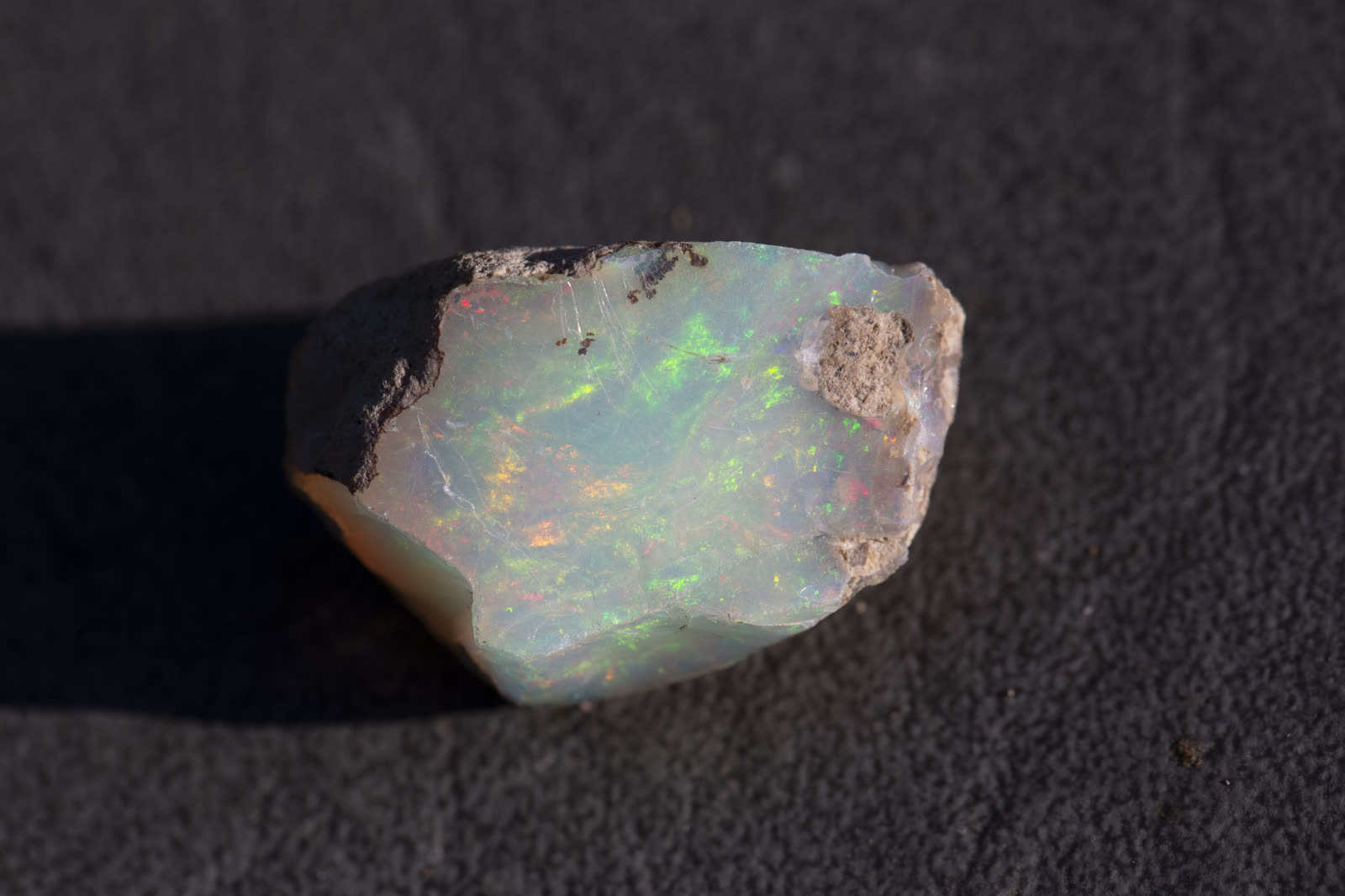
Evaluating an uncut opal is a skill. Here's how to read a piece before the wheel touches it.
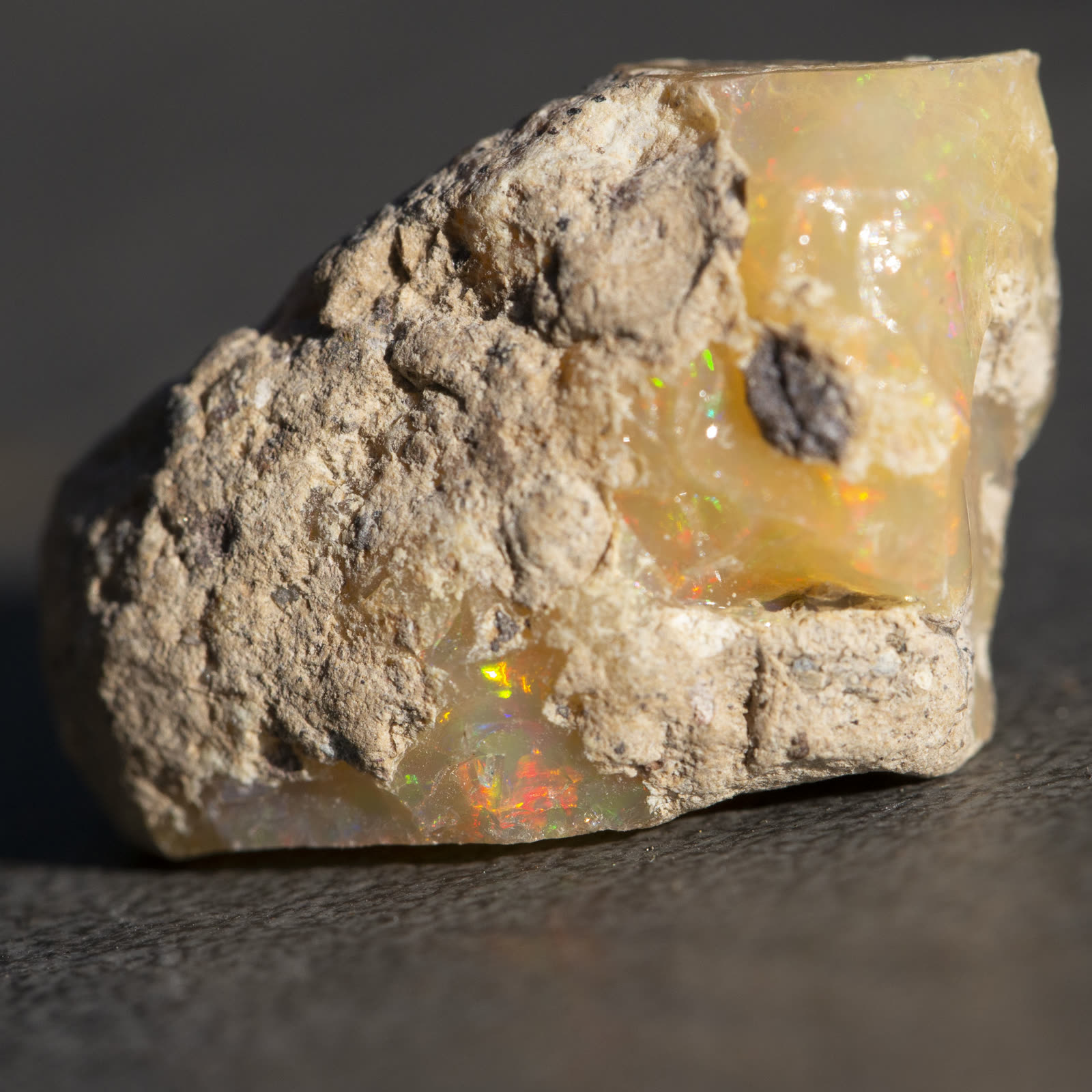
Body tone in opal is usually talked about on a black-to-white scale. Then there are the ones that don't fit the scale.
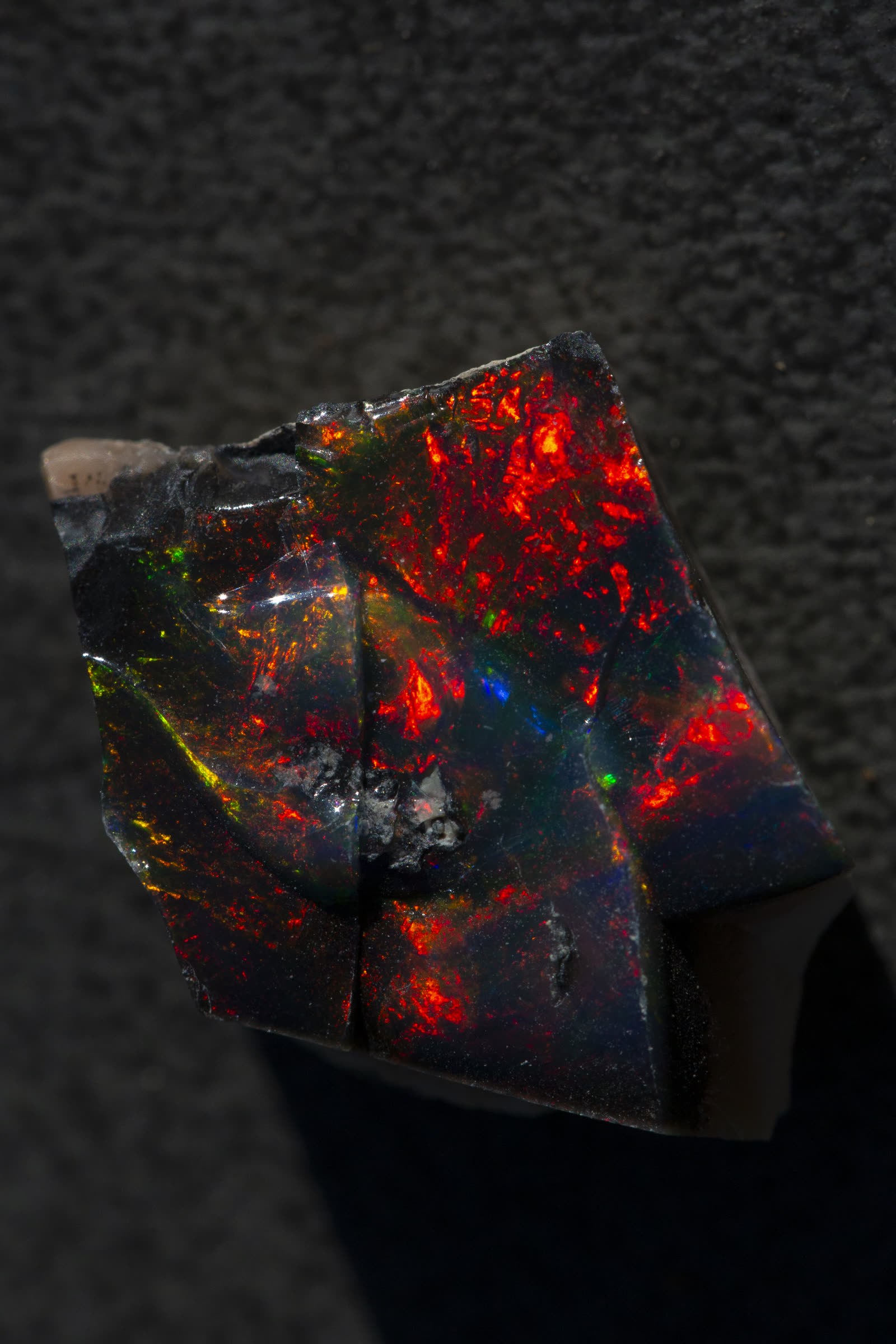
Not all dark opal comes from Lightning Ridge. Ethiopian black seam opal is its own thing.
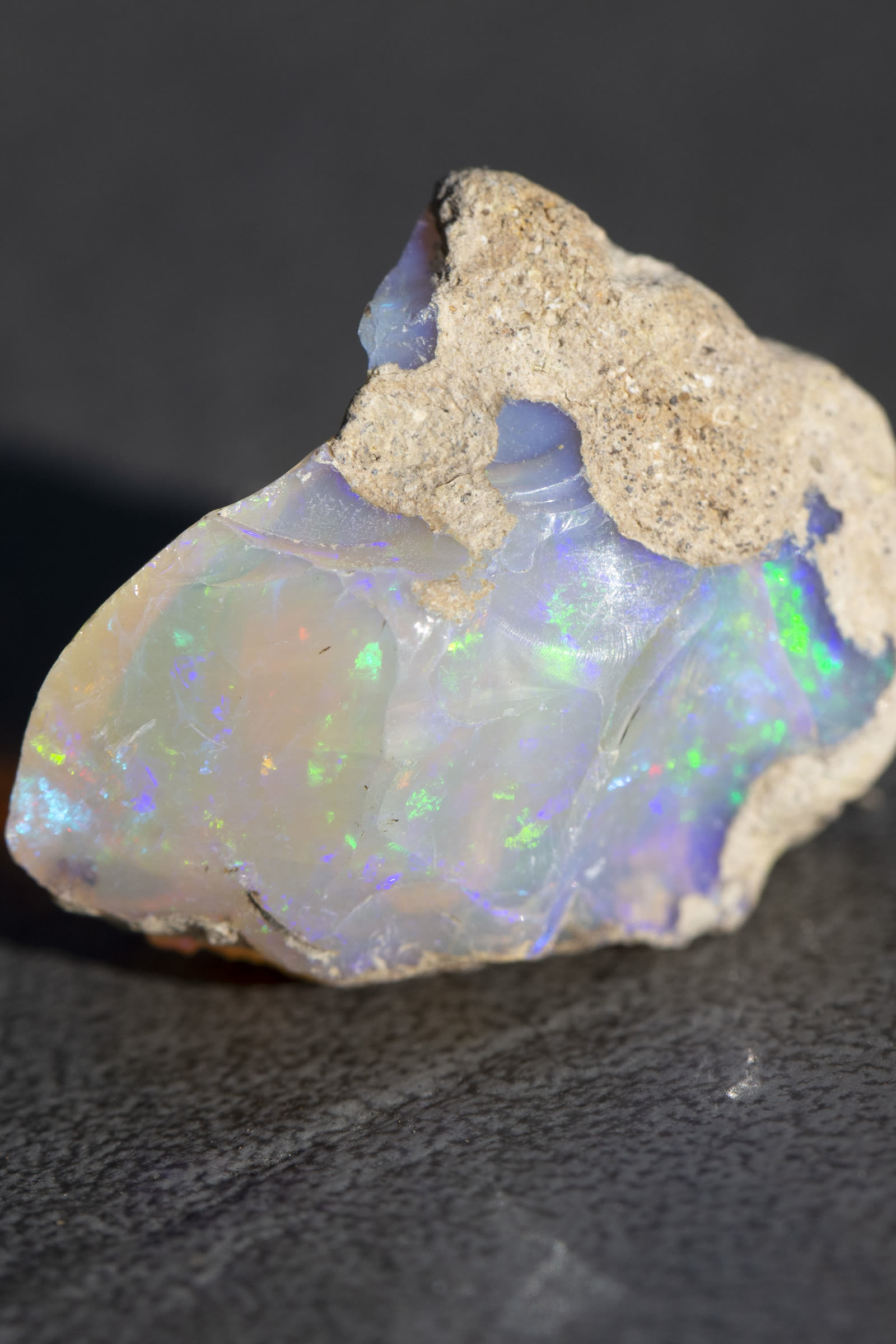
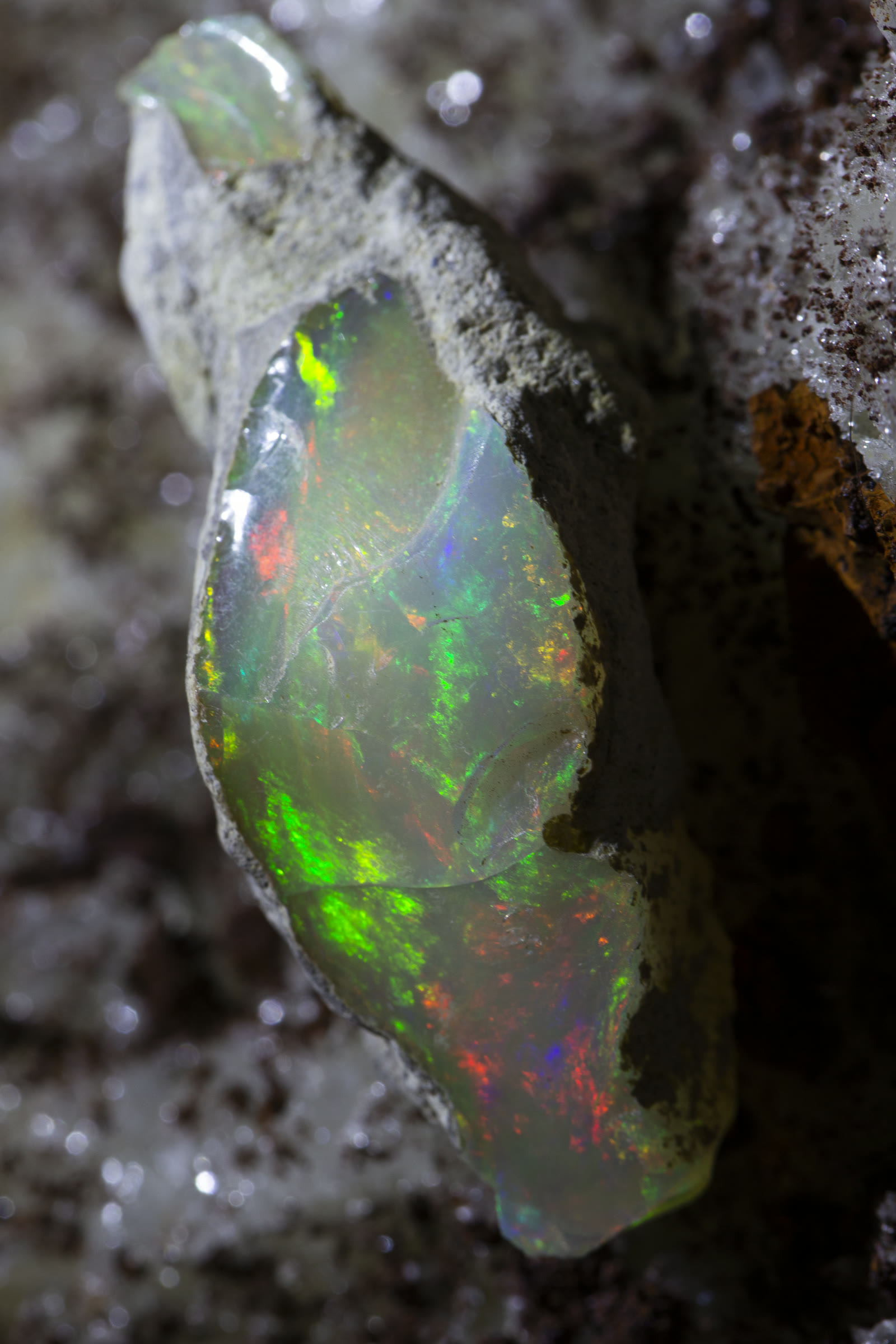
Crystal body tone is the most transparent opal gets. Light goes through it the way it goes through water.
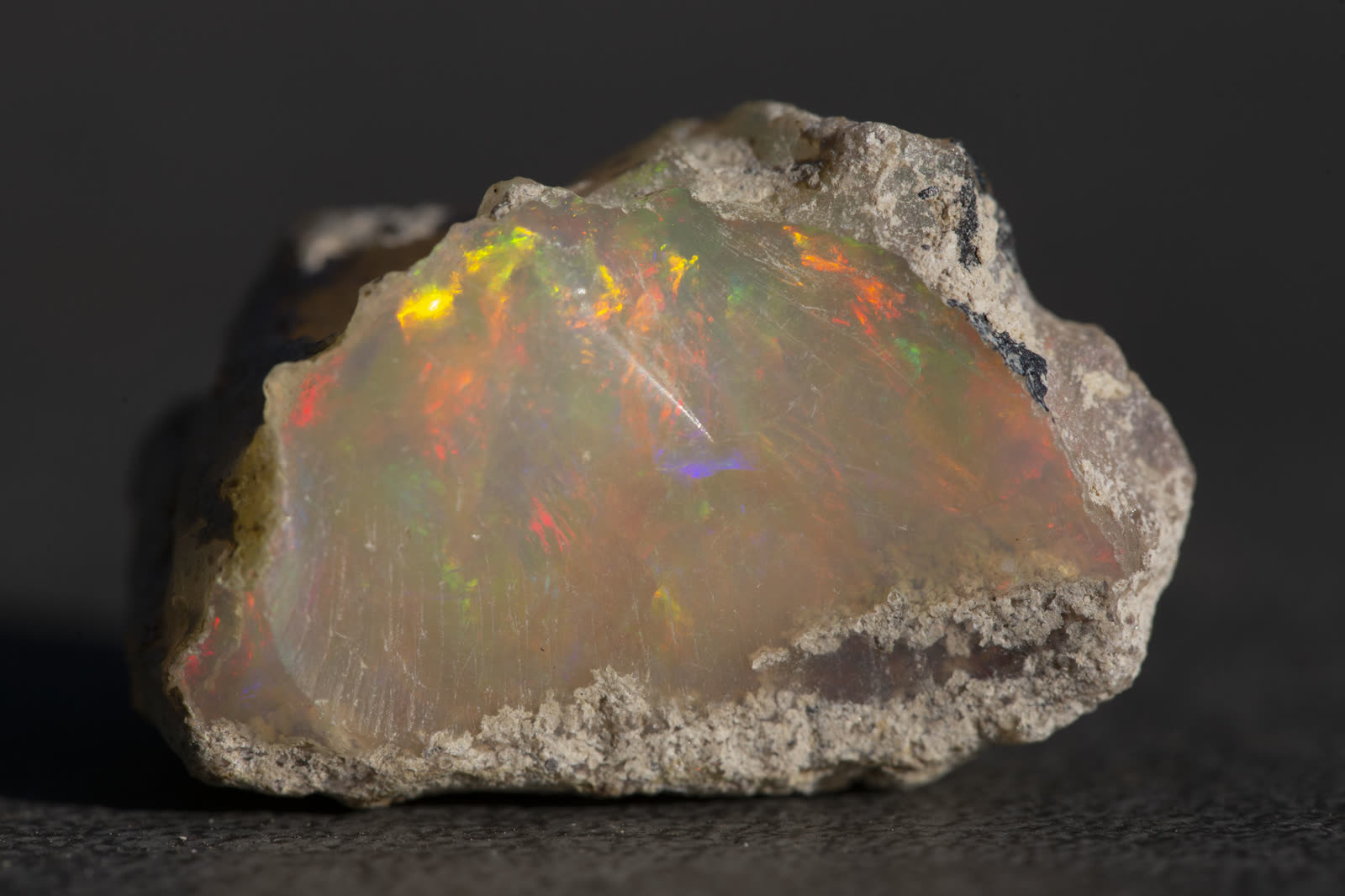
Red is the rarest spectral color in play-of-color opal. Here's why, and what it looks like in rough.
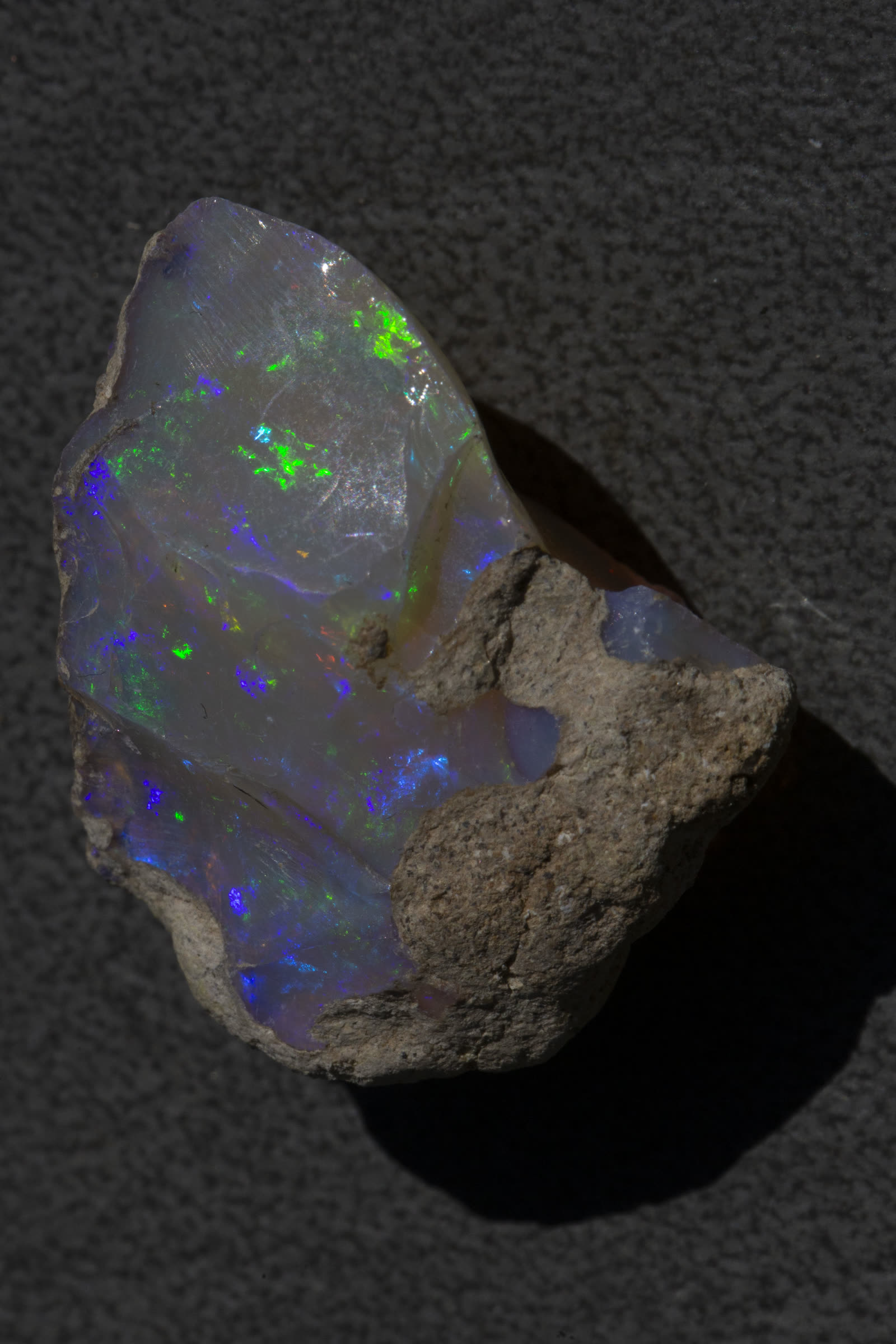
Blue-green fire in crystal opal — and why this piece is still sitting on the shelf.
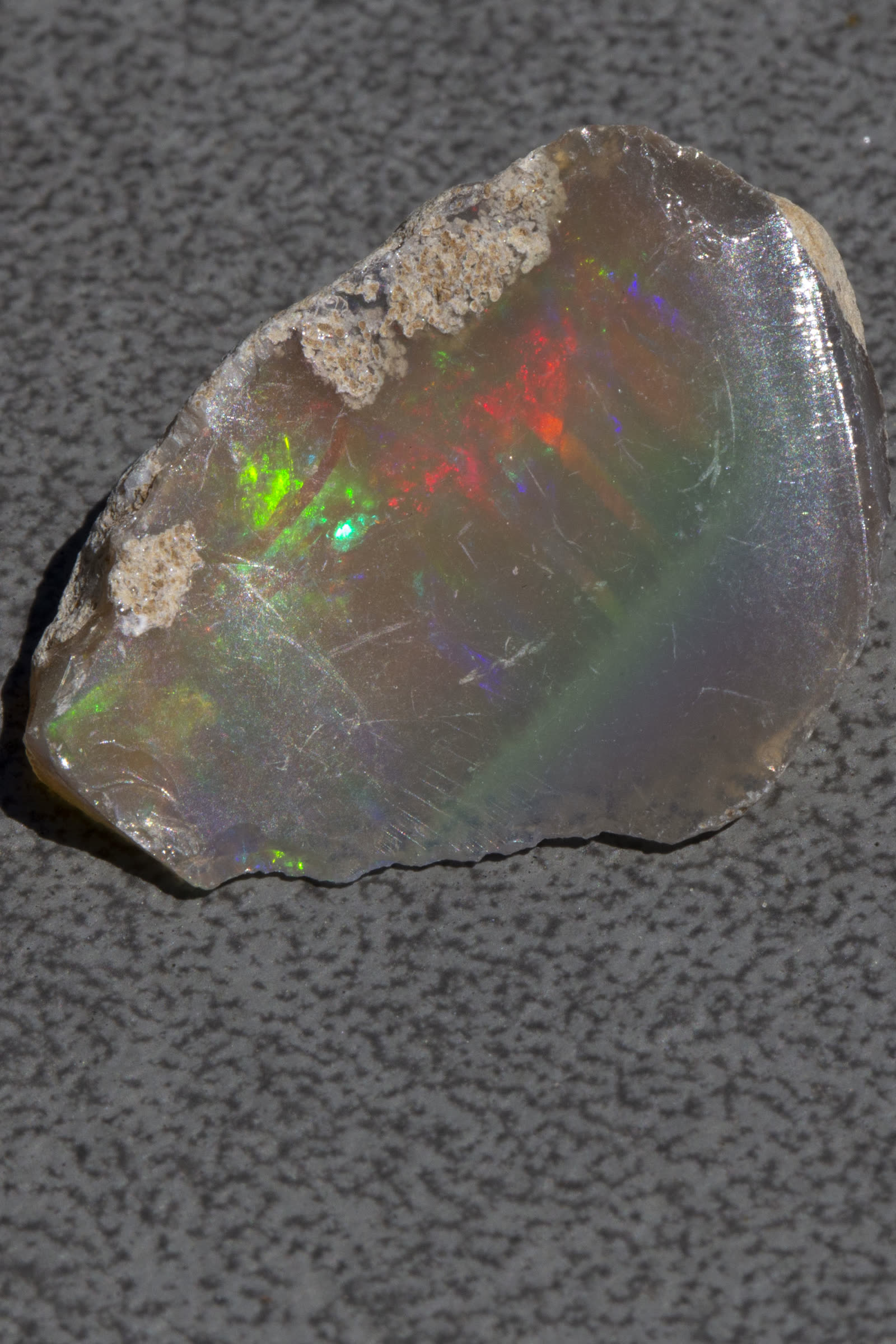
The gray-bodied Ethiopian crystal opal that doesn't photograph the way it looks in hand.
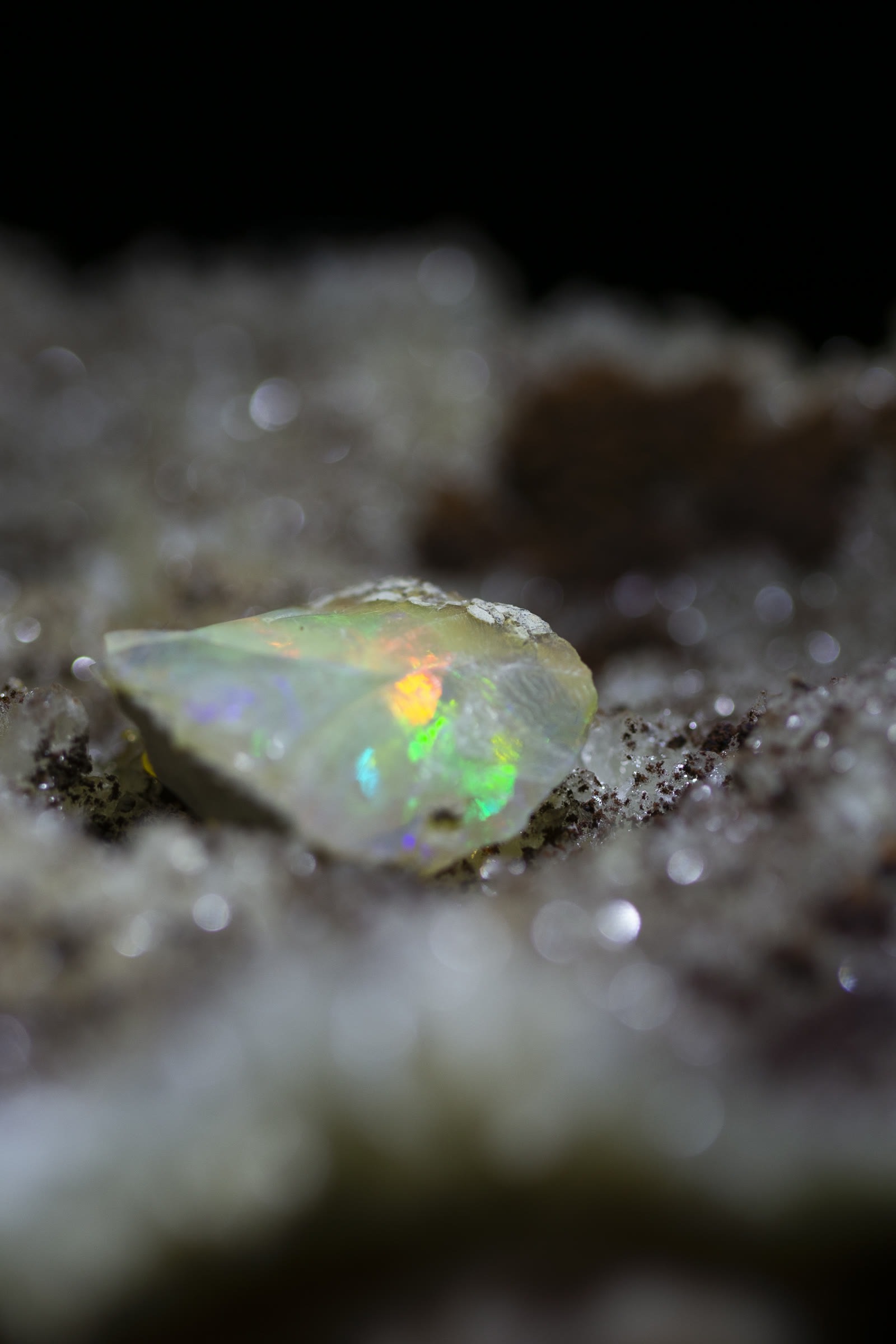
Before anything gets cut, it gets watched. What you're actually looking for in rough, and why it matters.
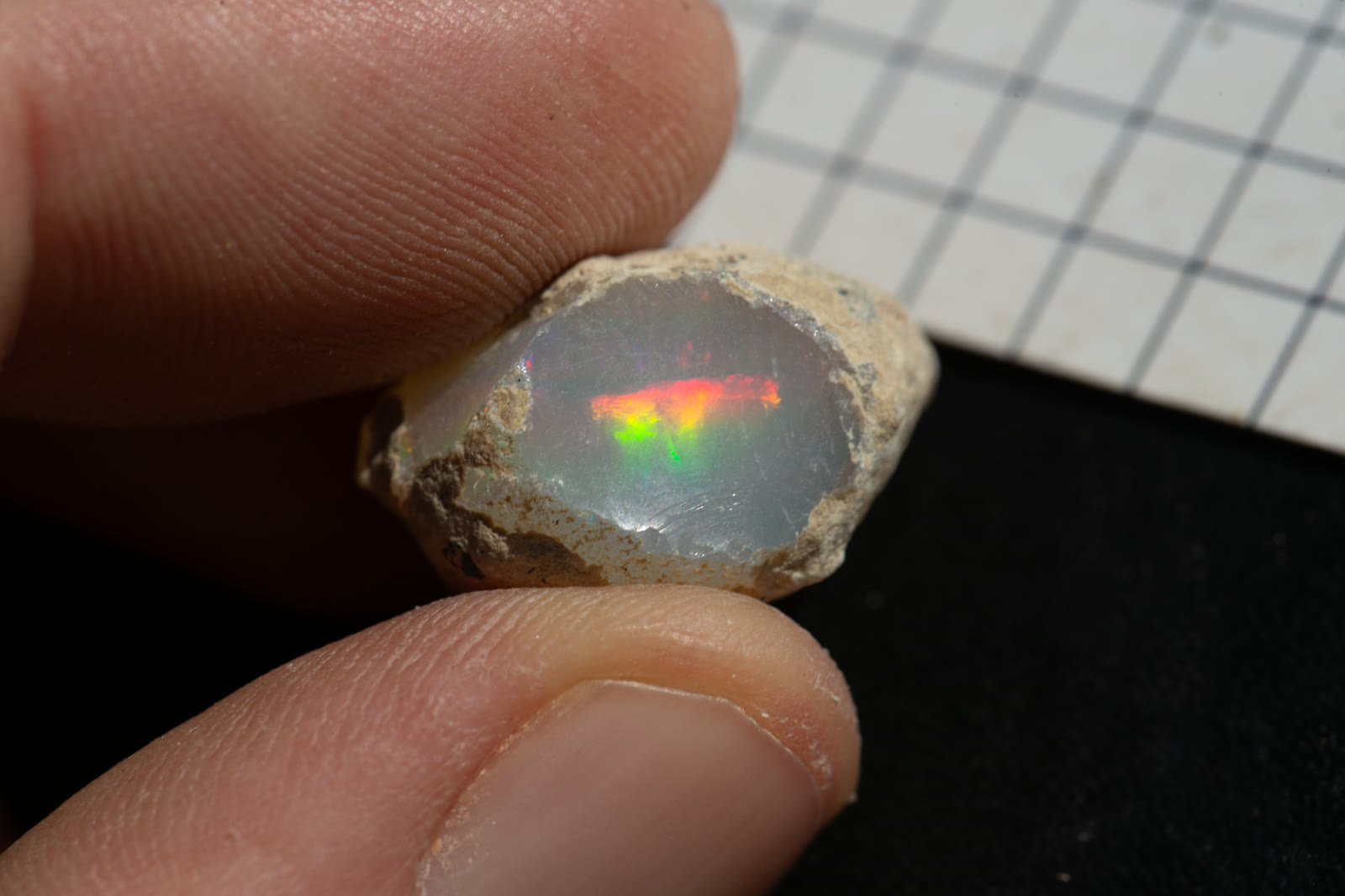
A look at what's come through the shop this month — rough in, rough evaluated, some of it cut.
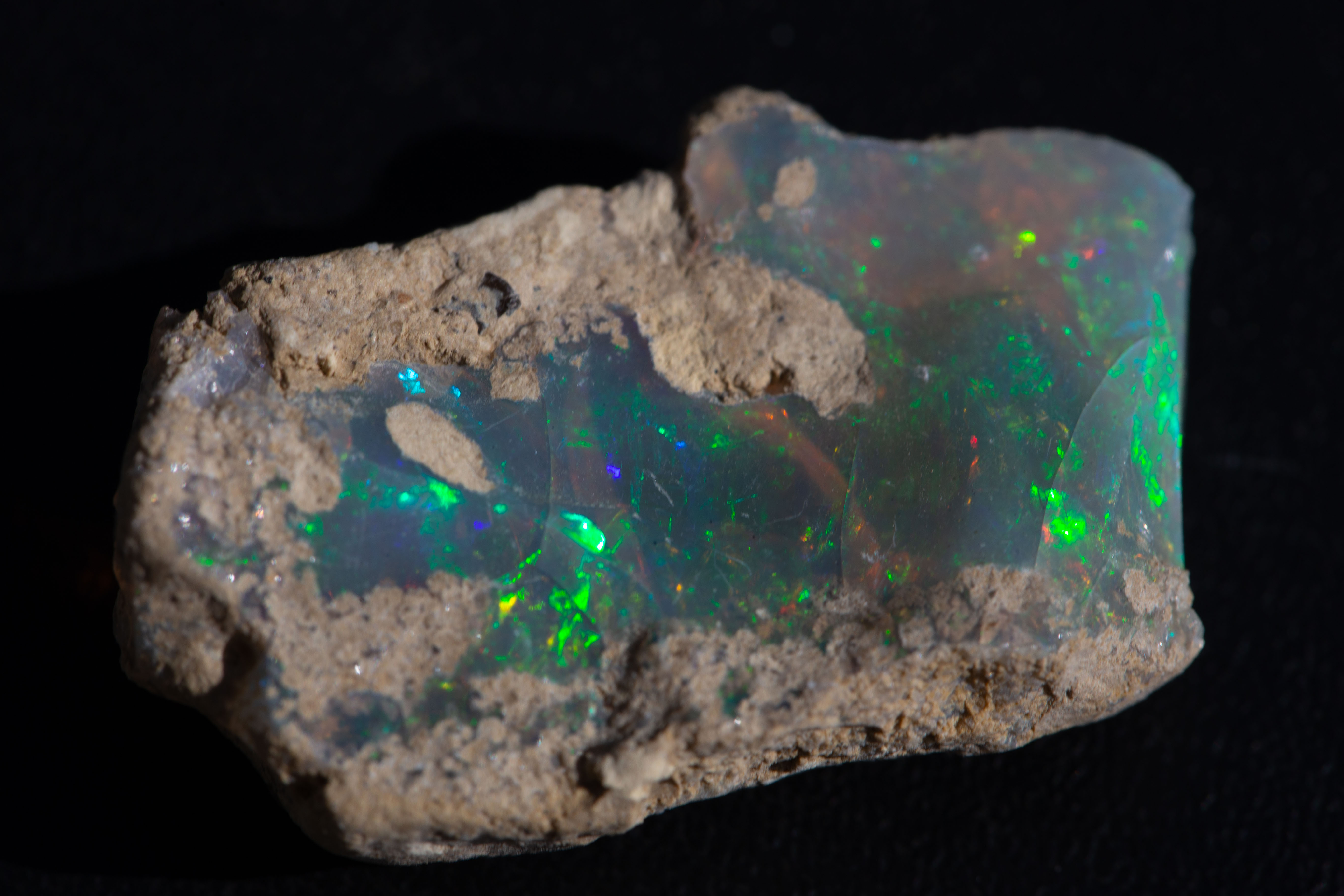
Opal isn't a crystal. It isn't a mineral in the usual sense. Here's what the silica is actually doing.
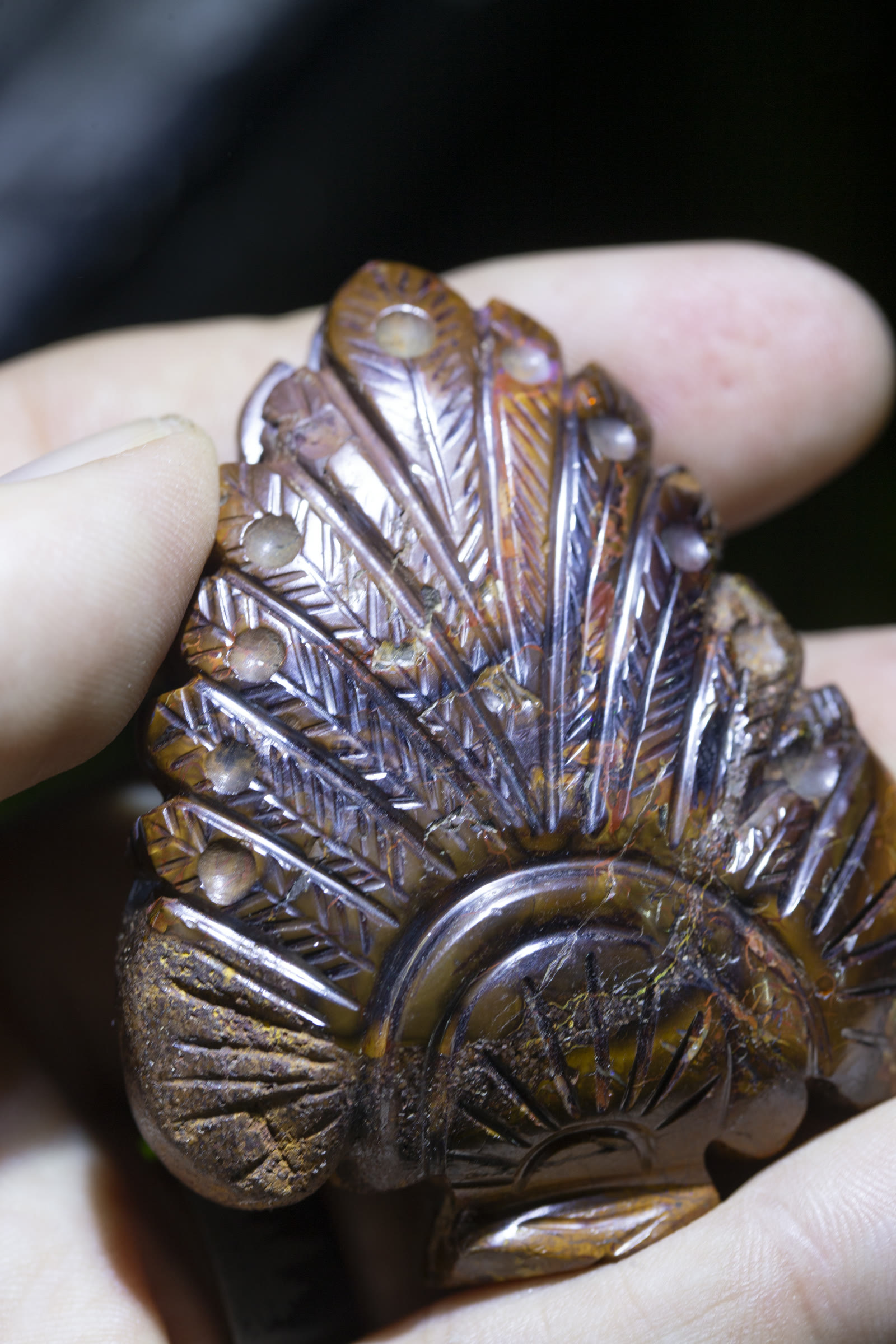
Of every piece that's come off this bench, the headdress is probably the most hours per square inch.
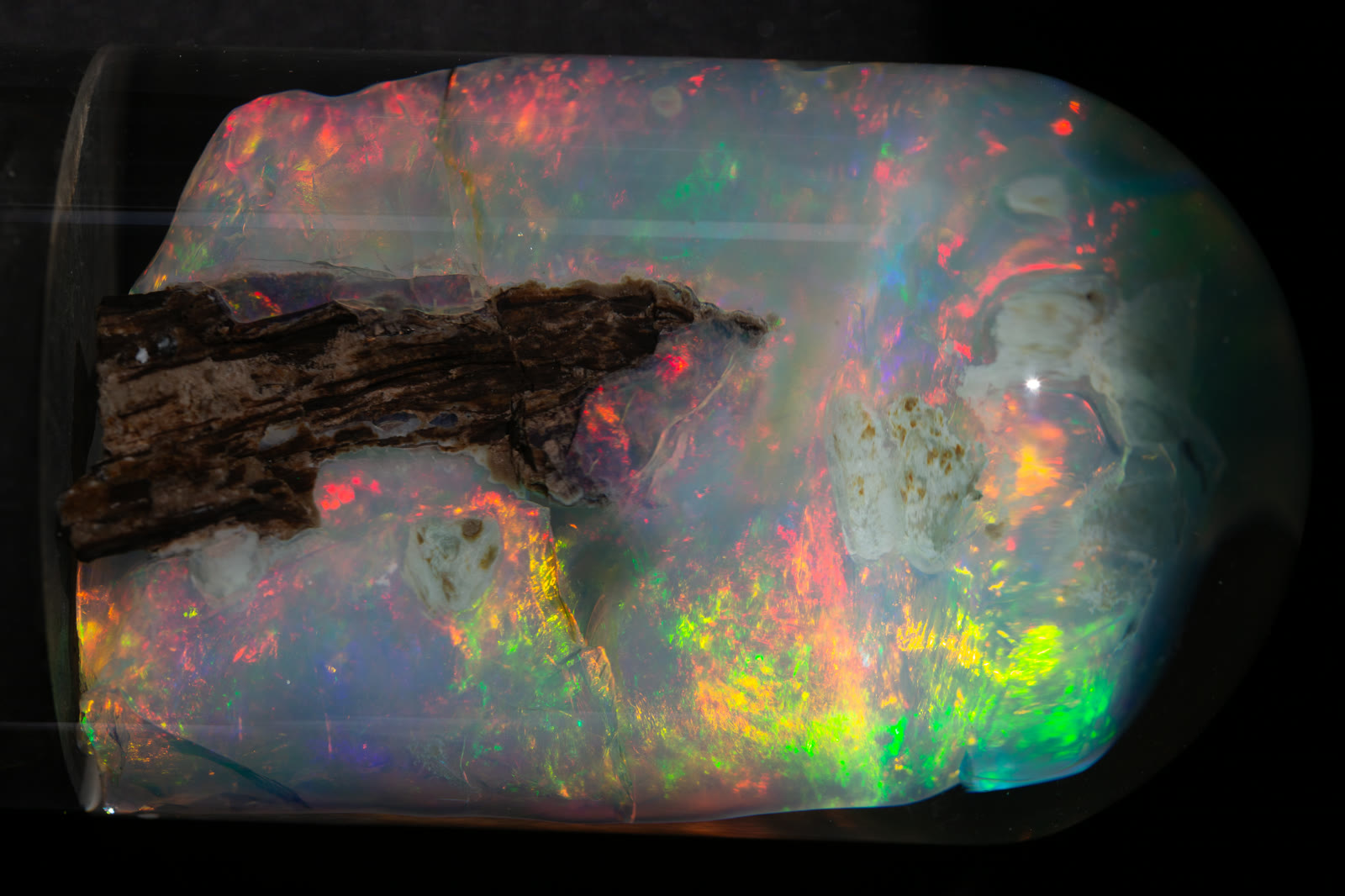
The biggest piece we've pulled from Virgin Valley lives in water permanently. Here's what's inside it — and why it will never be cut.
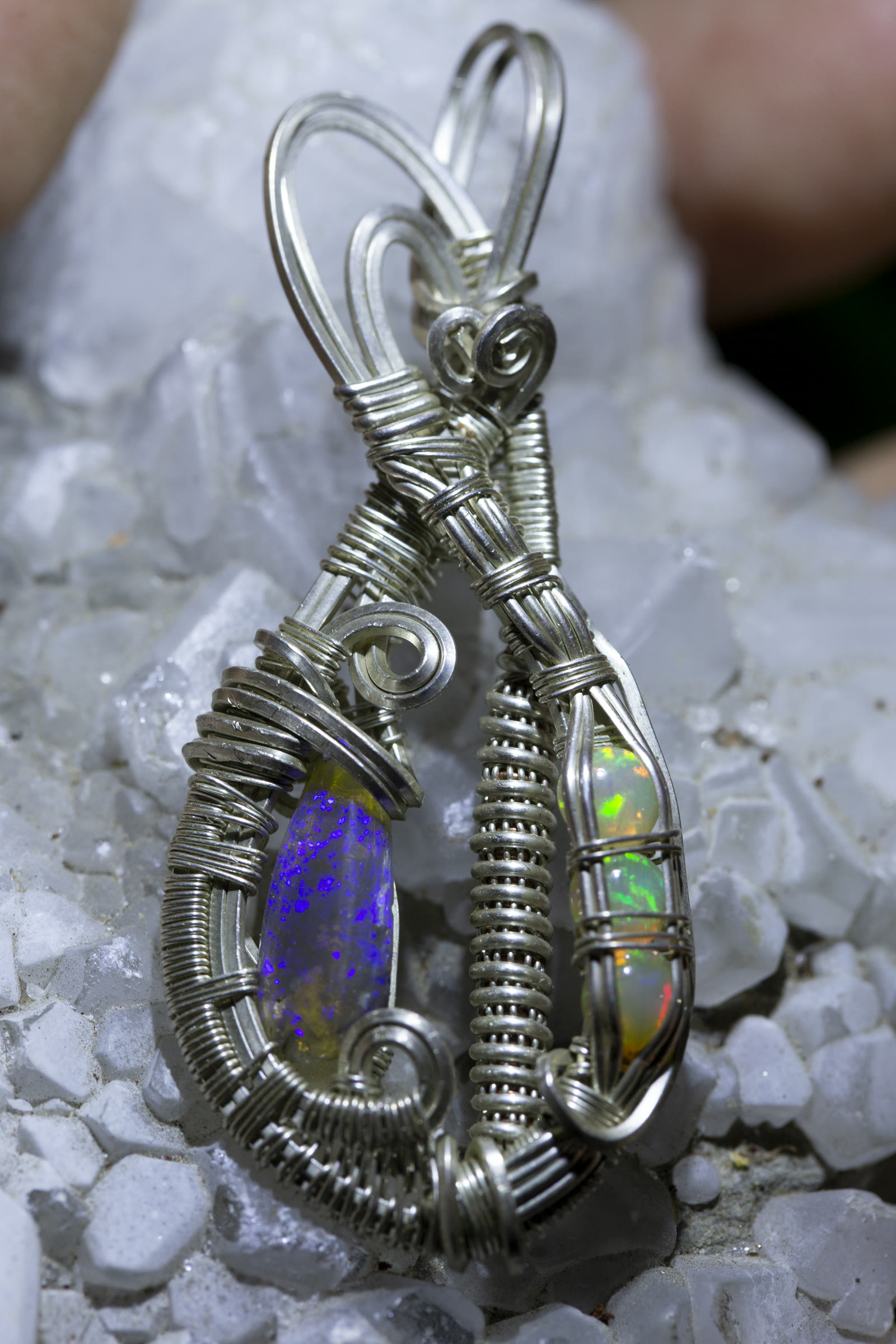
Standard settings use heat somewhere in the process. Opal doesn't like heat. Wire wrapping is how you set a stone cold.
Most opal work is about separating the color from its host rock. In Queensland boulder opal, the ironstone is the point.
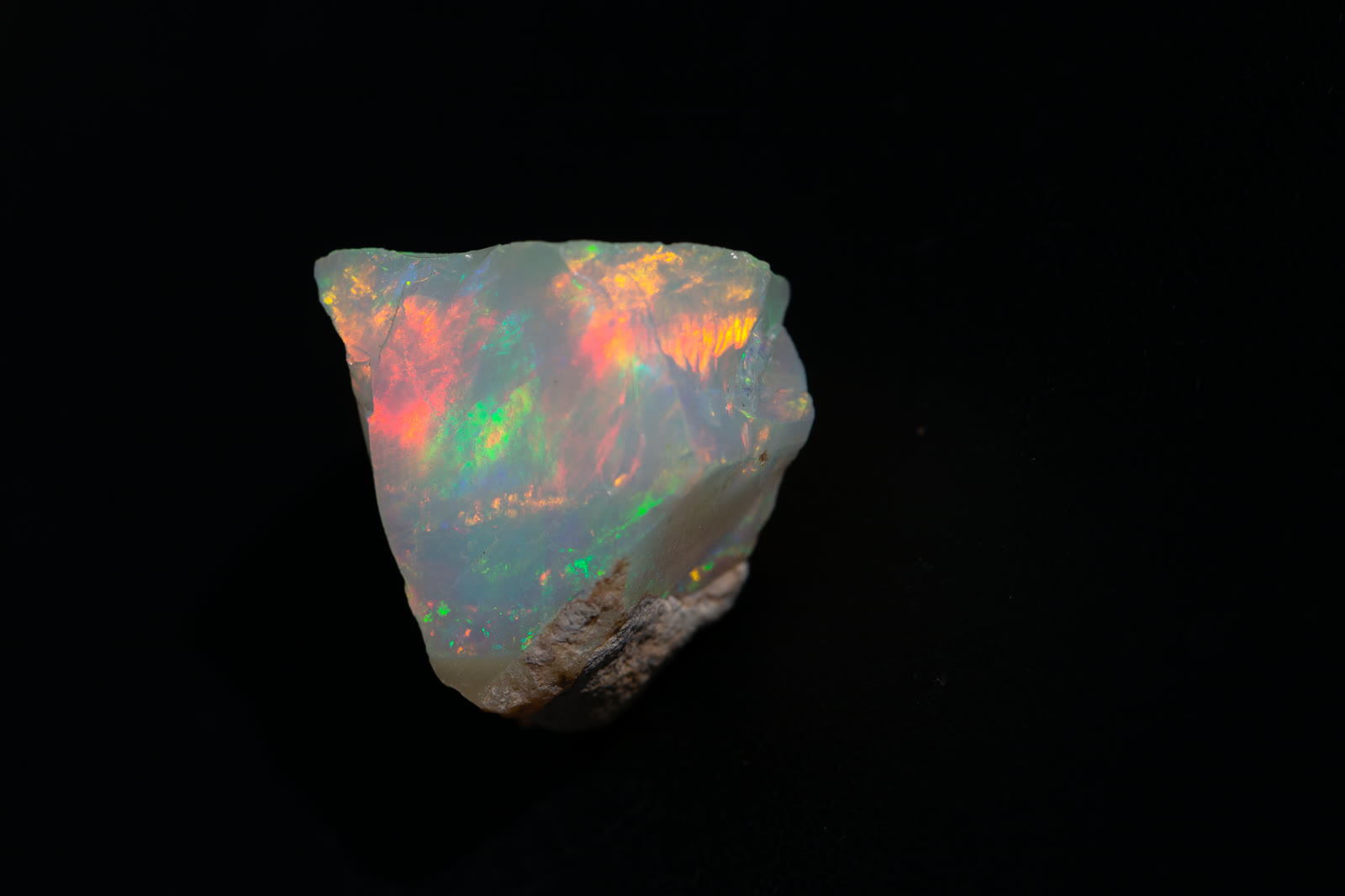
Nine pieces of Ethiopian Welo, 17 to 59 carats each. What goes through your mind before the wheel touches any of it.
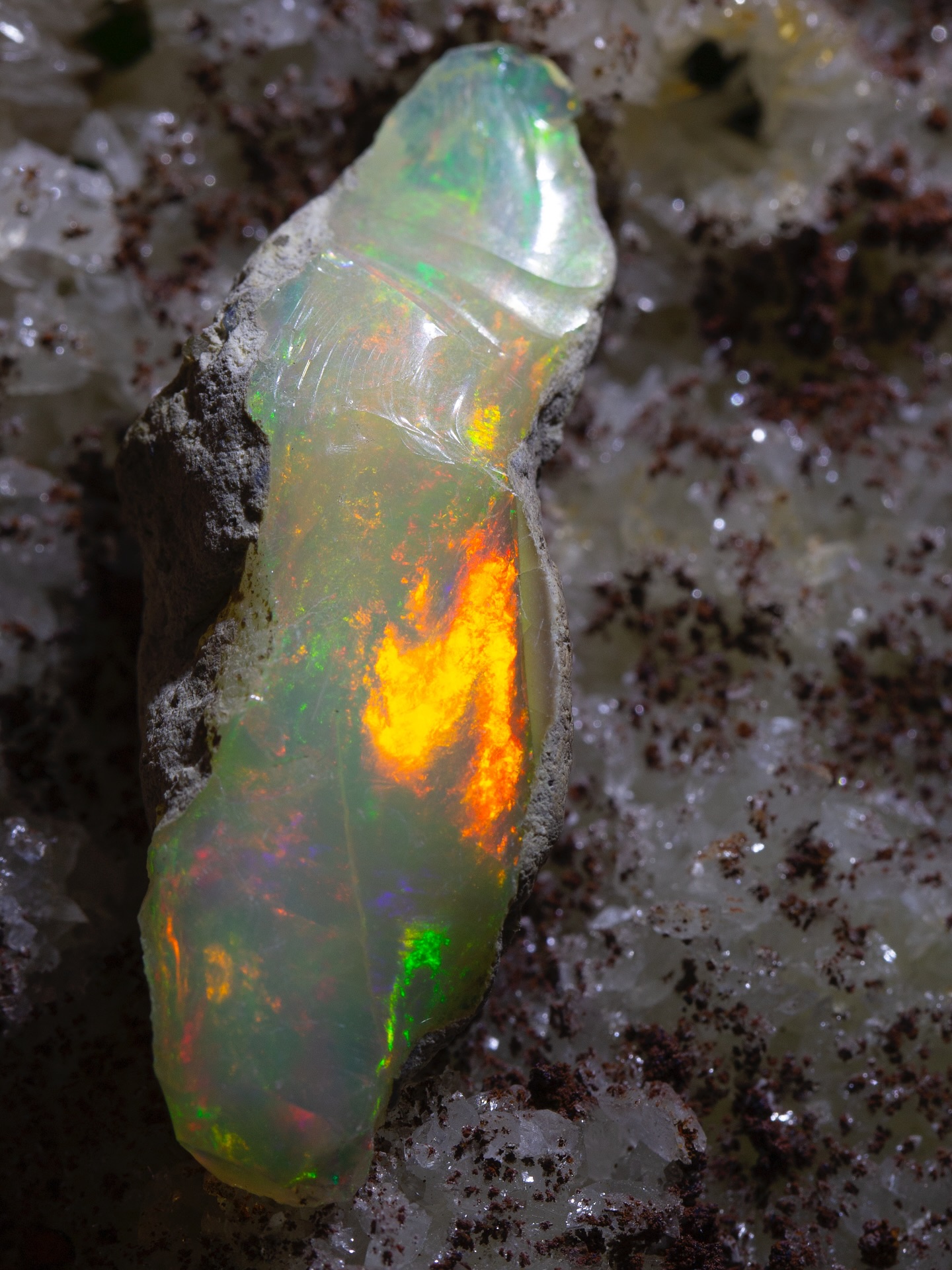
Most of the gem world learned Ethiopian opal existed around 2008. Here's where it actually comes from — and what makes it different from everything else.
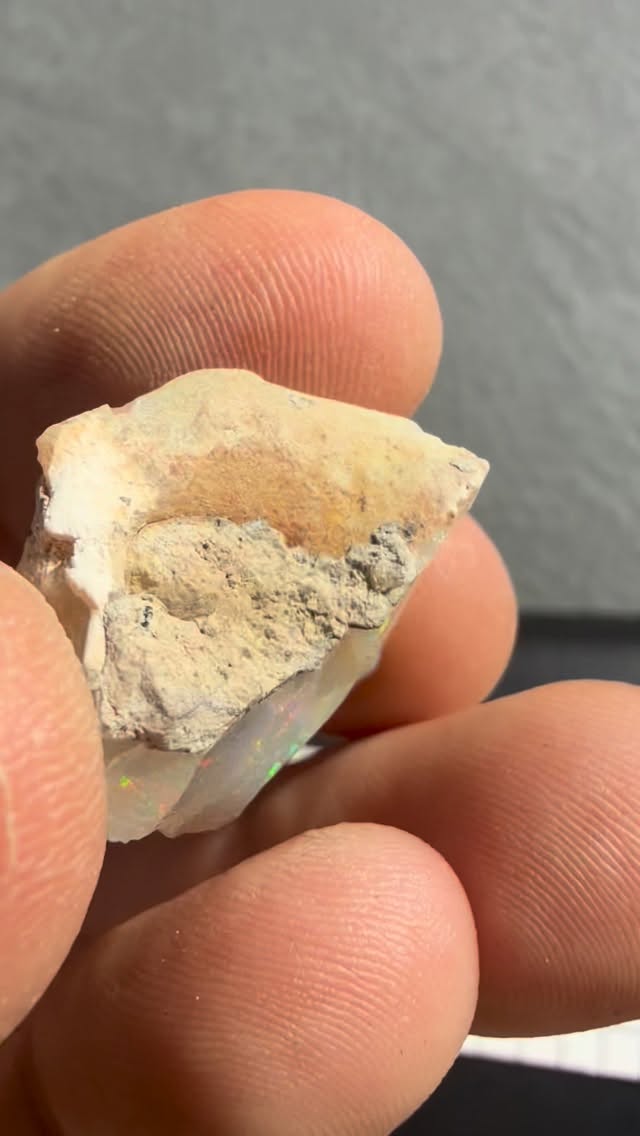
Everyone photographs the face. Turn a rough opal over and you learn what you're actually working with.
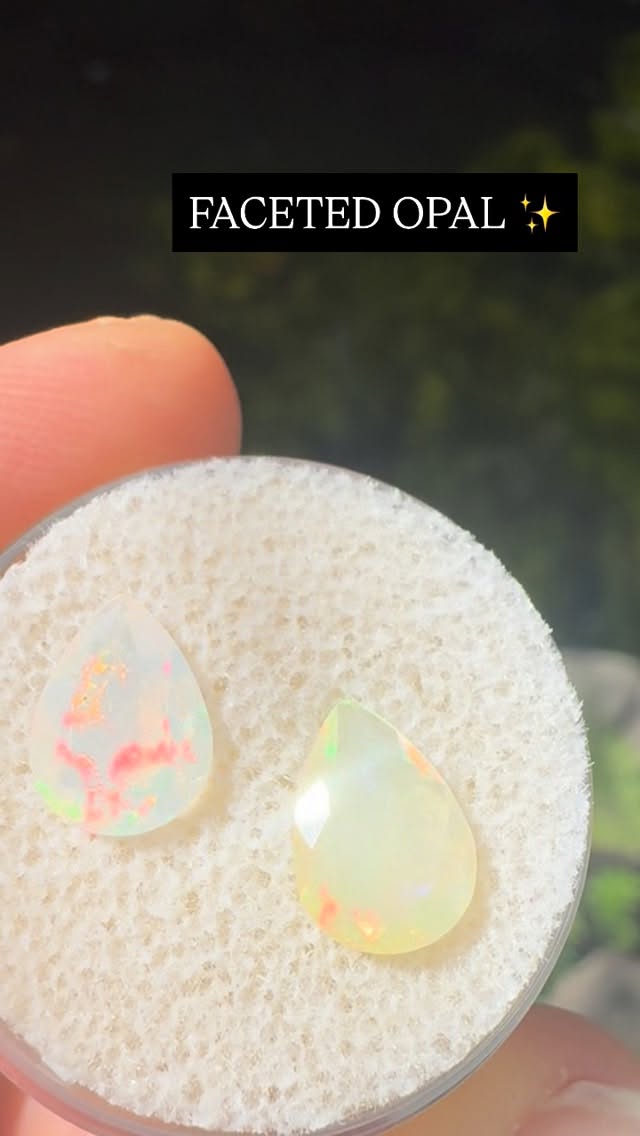
Most opal cutters cab. Here's why — and the one type of material where faceting actually makes sense.
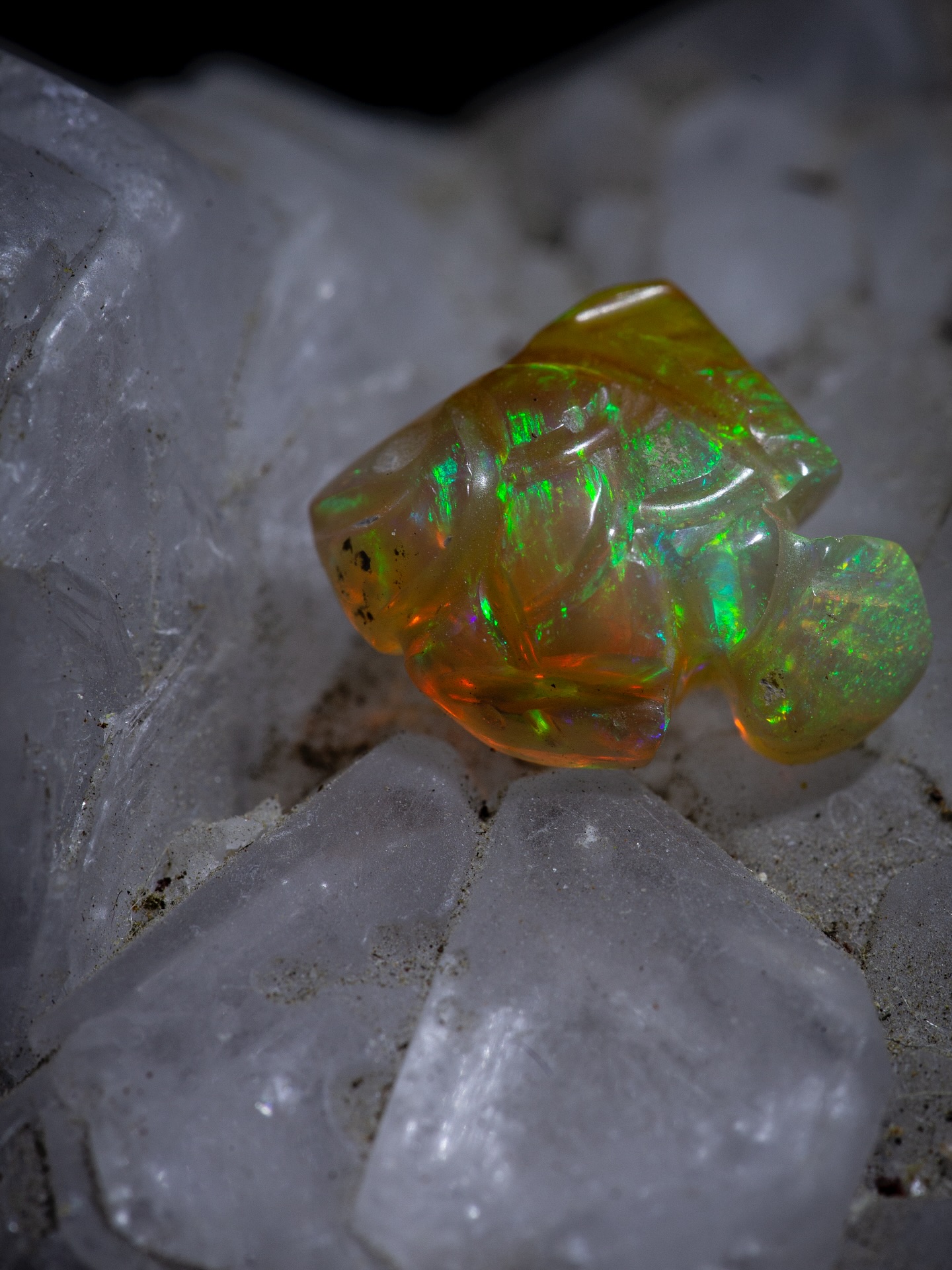
With a cab, the cutter decides the shape. With a carving, the color bar gets a vote.
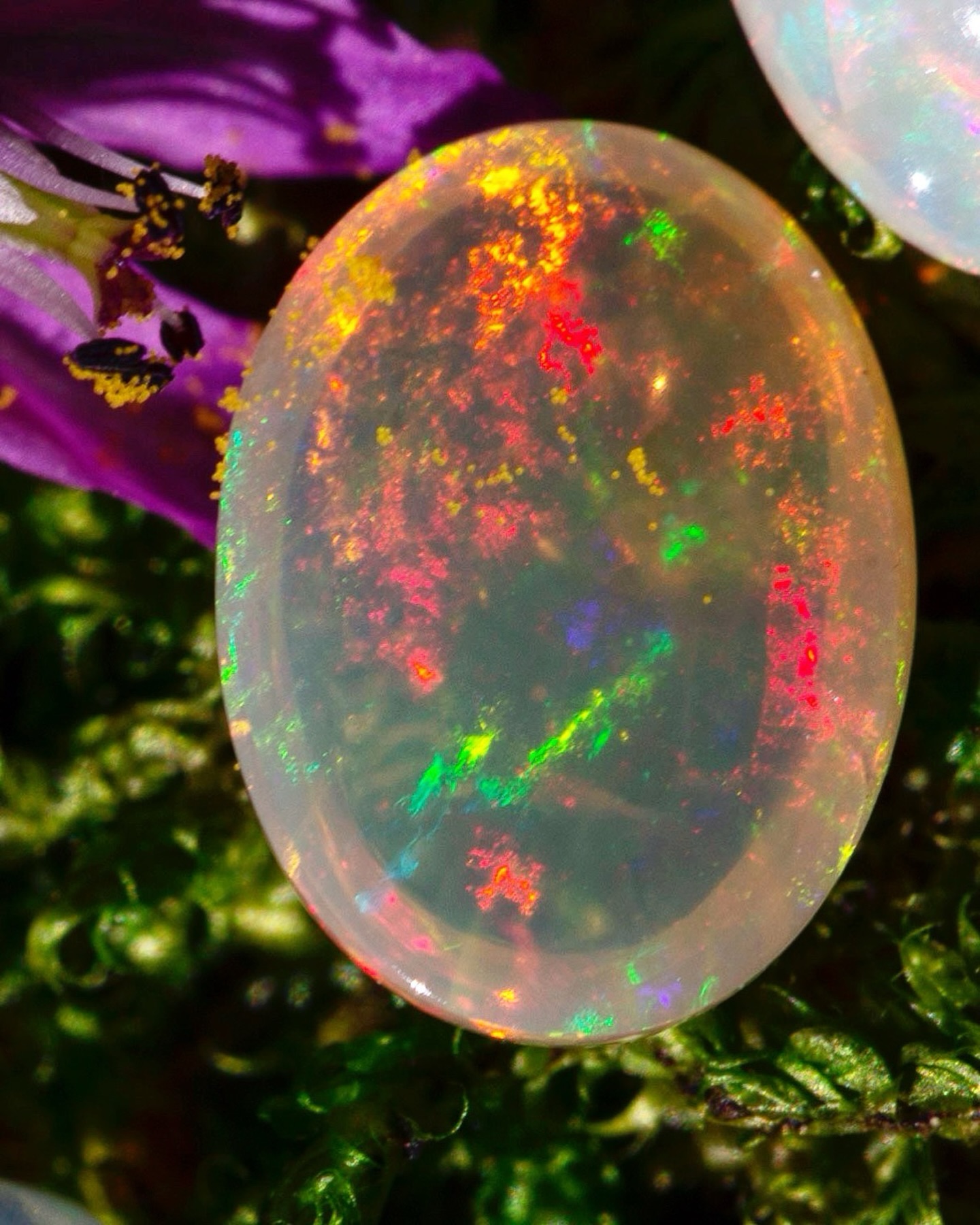
Twenty-plus years of answering the same question. Here's what you actually need to know — and the one thing that will definitely damage any opal.
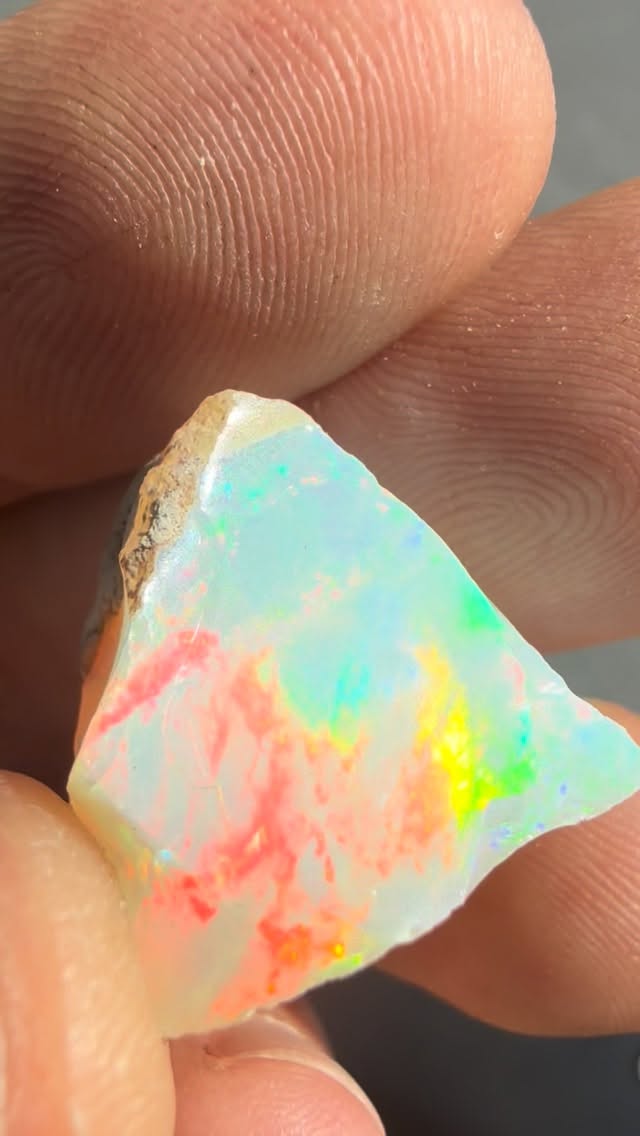
Before a cut happens, there's a longer process. Here's what twenty years of lapidary work looks like in the evaluation stage.
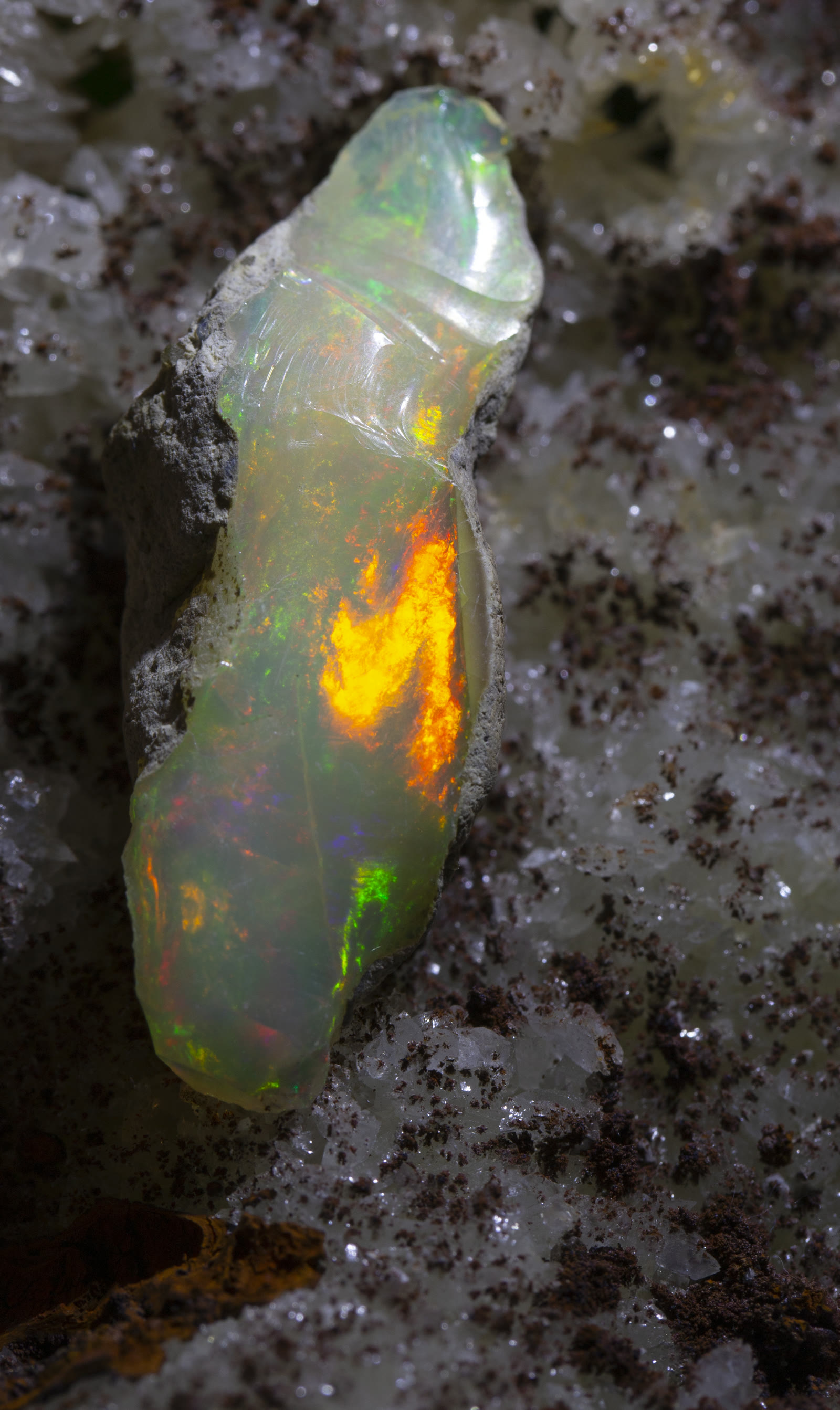
Most Ethiopian opal plays blue and green. The pieces that throw orange are rare enough that when you find one in a parcel, you set it aside.
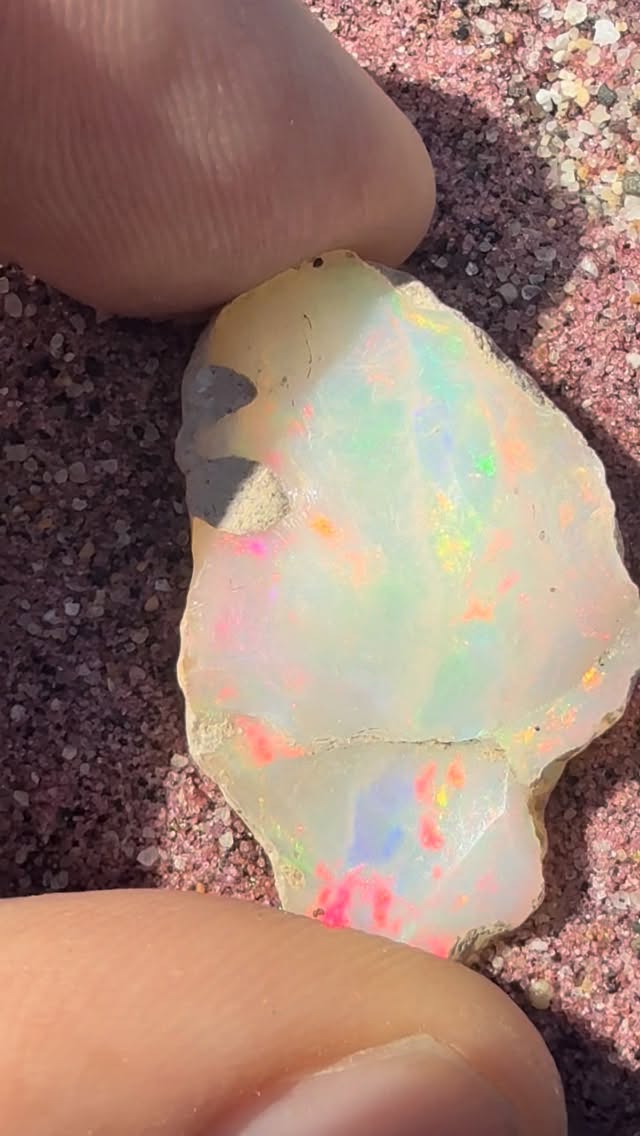
Ethiopian Welo opal is hydrophane — it absorbs water, and the color goes flat when it dries out. Here's what that actually means.
CosmicOpals didn't start as a shop. It started as a rock habit in Santa Cruz that got out of hand.
We don't just buy rough — once a year we go dig our own, on a ten-acre fire opal claim in the Nevada high desert.
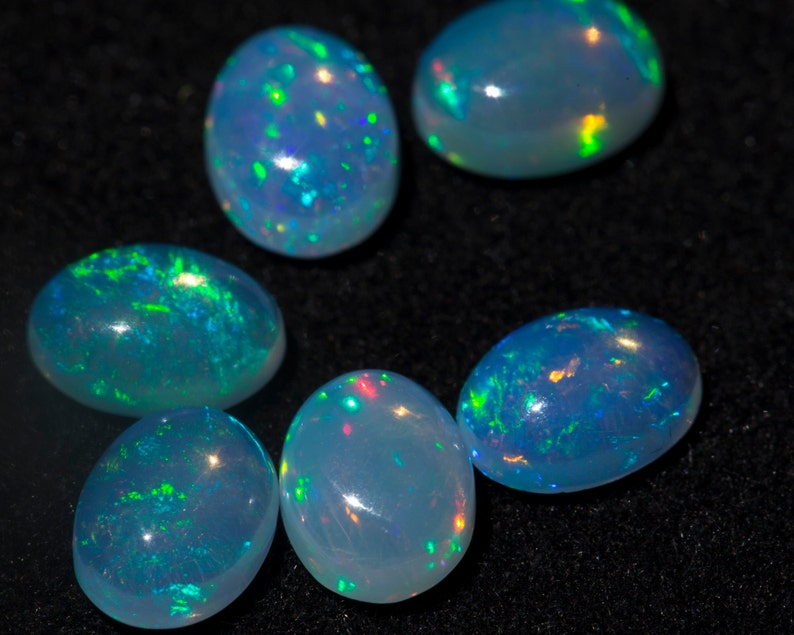
The rainbow in an opal isn't pigment and it isn't a trick of polish. It's geometry, a few hundred nanometers at a time.
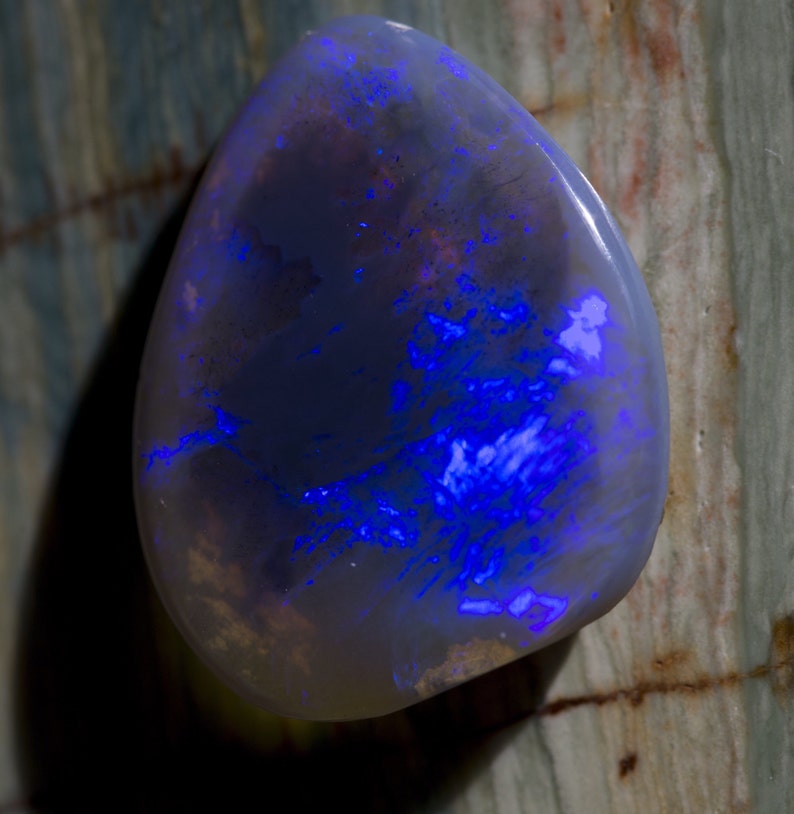
Every listing we write names the sand, the cracks, the matrix. Here's why we'd rather lose a sale than skip that paragraph.