The claim in Virgin Valley
We don't just buy rough — once a year we go dig our own, on a ten-acre fire opal claim in the Nevada high desert.
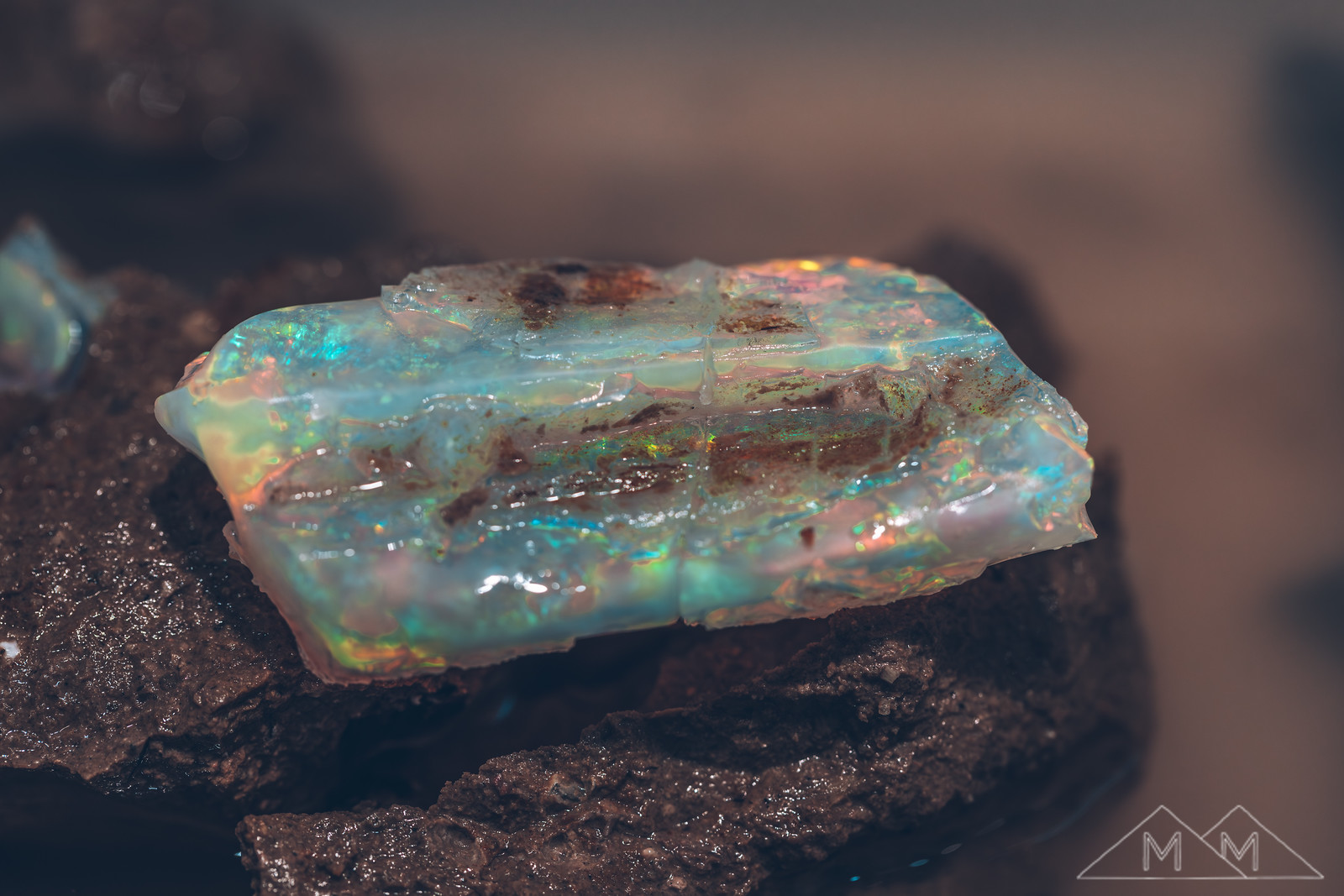
Most of our rough comes direct from miners we've dealt with for years. Some of it comes from us. We hold a ten-acre claim in Virgin Valley, up in the far northwest corner of Nevada by the Sheldon National Wildlife Refuge, and once a year we go work it. Most trips we also put in days at Rainbow Ridge, the mine Glen and Donna Hodson run together in the same valley — they've worked that ground most of their lives, and digging next to them is an education no book covers.
Virgin Valley is fire opal country — and it's strange, wonderful material. Millions of years ago this was forest and wetland; volcanic ash buried it, silica-rich water moved through, and opal formed where wood, cones, and roots used to be. A lot of what comes out of the ground there is opalized wood: you can see the grain, the bark line, sometimes the growth rings, with color burning through the middle.
What a digging season looks like
It's high desert — long dirt roads, antelope, no cell signal. The work itself is unglamorous: moving bentonite clay by hand and checking every likely lump against the sun. Most days you find nothing. Then a piece rolls out of the wall wet and flashing, and you remember why you drove eight hours.
The big find
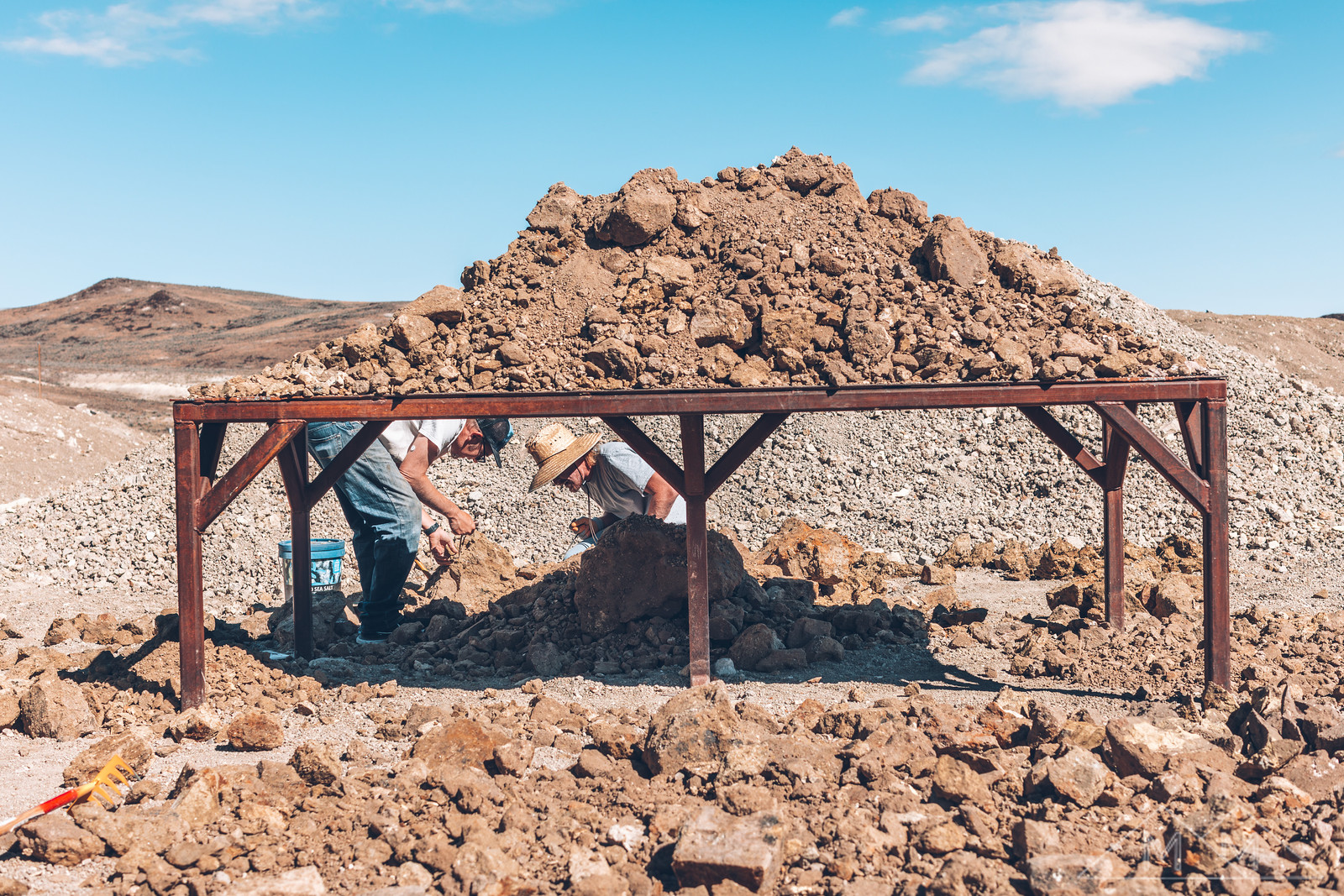
The best day we've had out there started like every other one: a fresh pile on the table and a few hours of turning rocks. Then the wall gave up a seam of color that didn't stop.
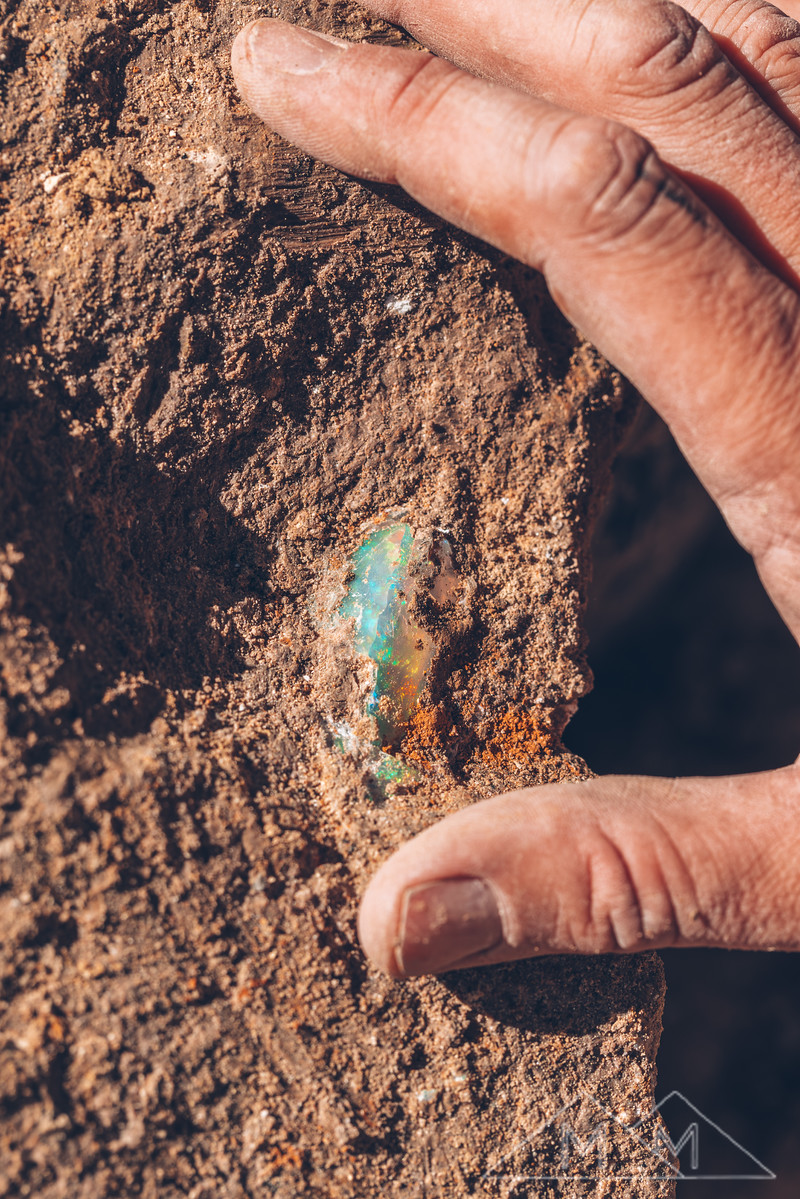
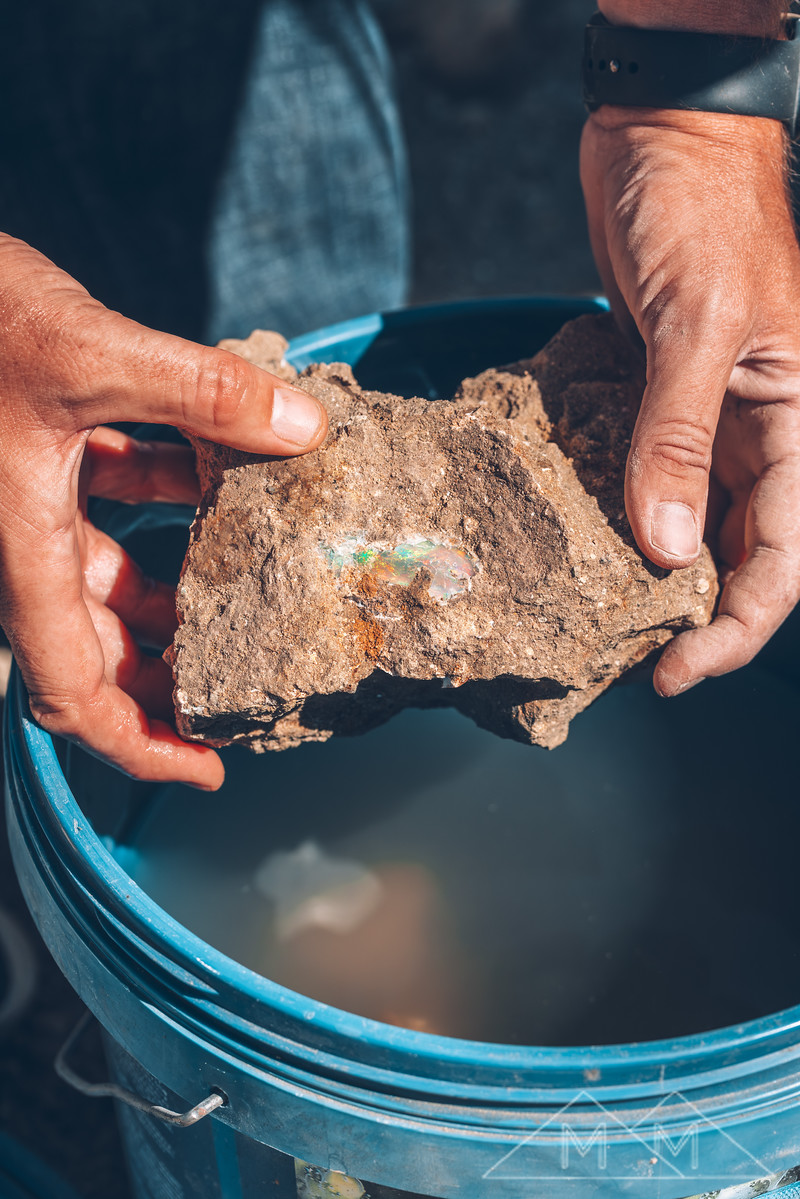
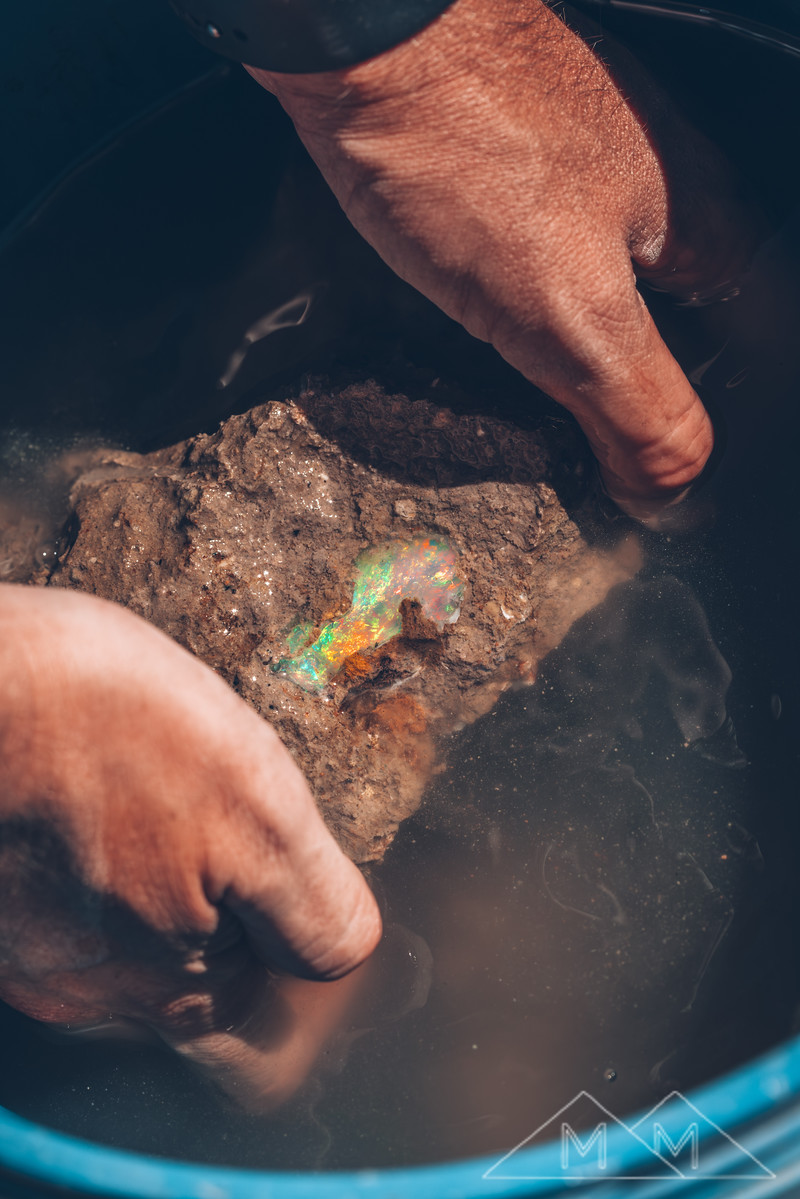
This is the part Glen makes look easy and isn't: getting a wet, fragile piece out of bentonite without snapping the color bar, then washing it down by feel. The opal came out whole.
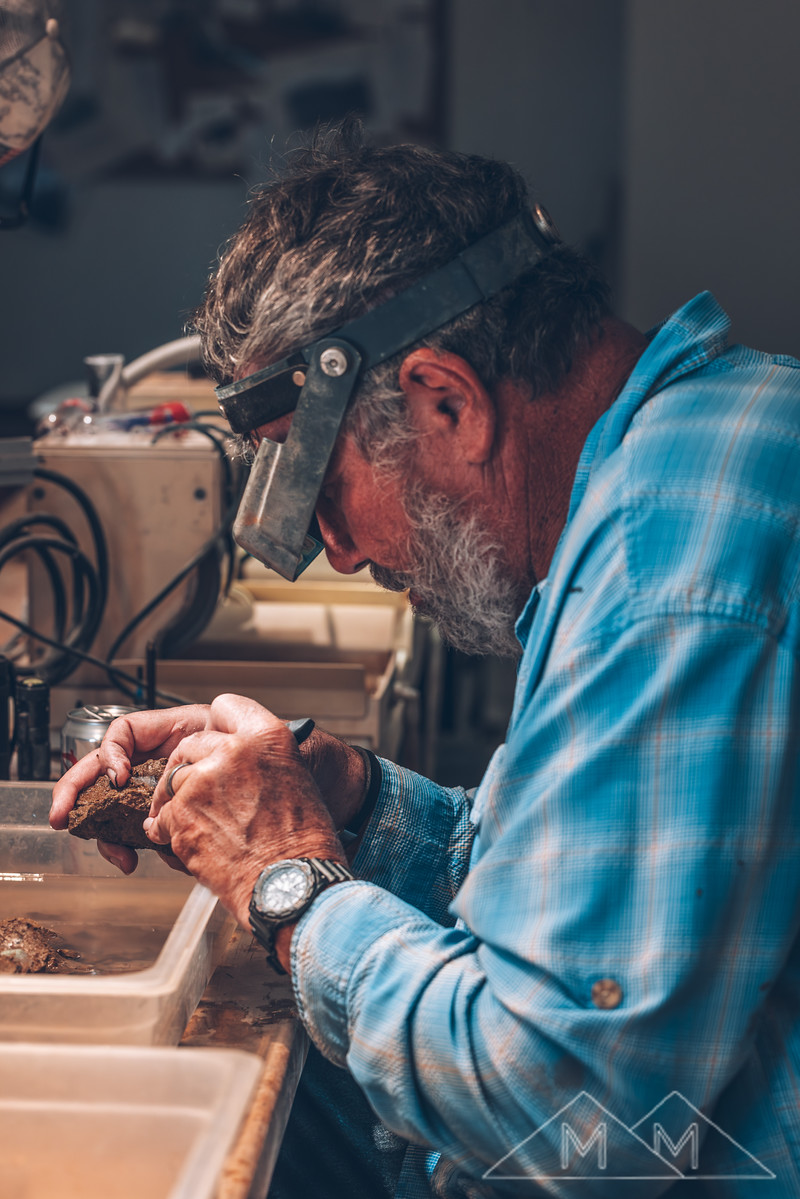
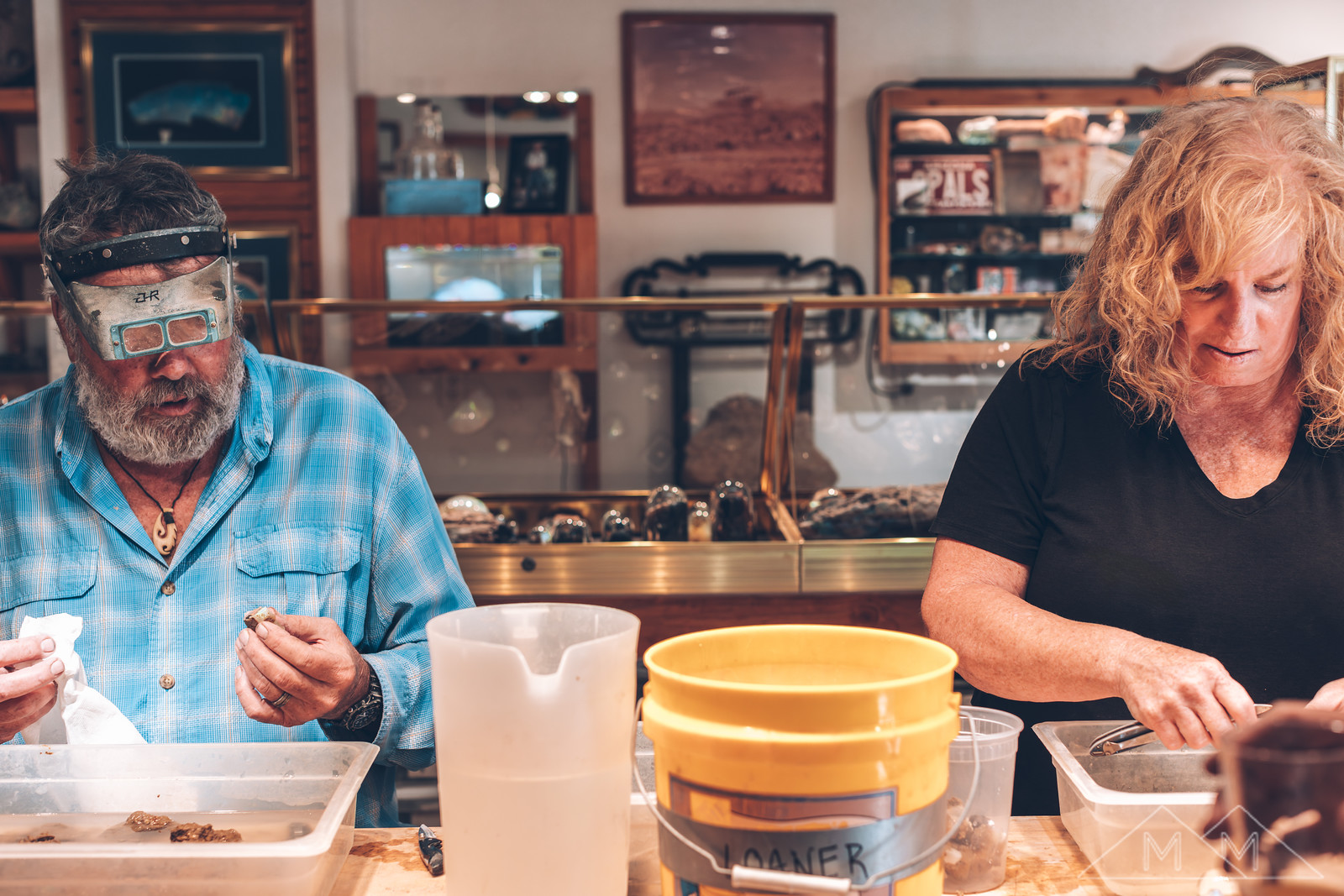
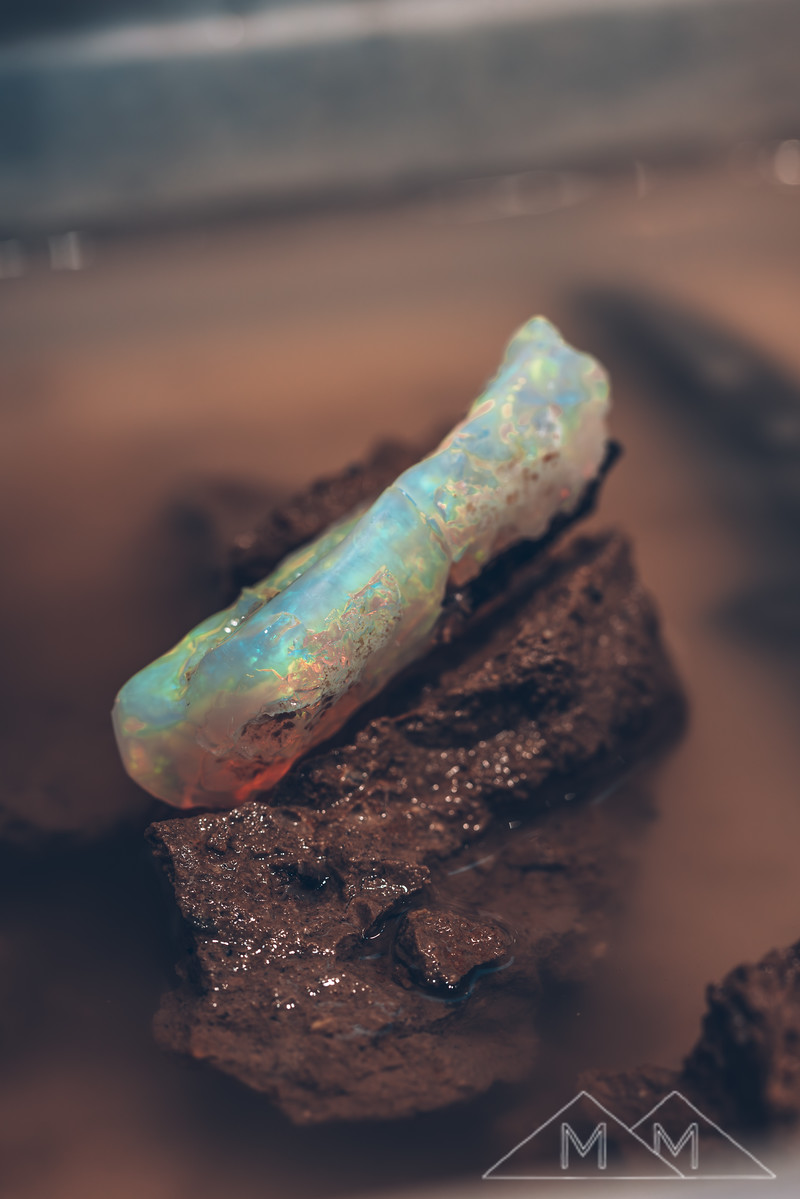
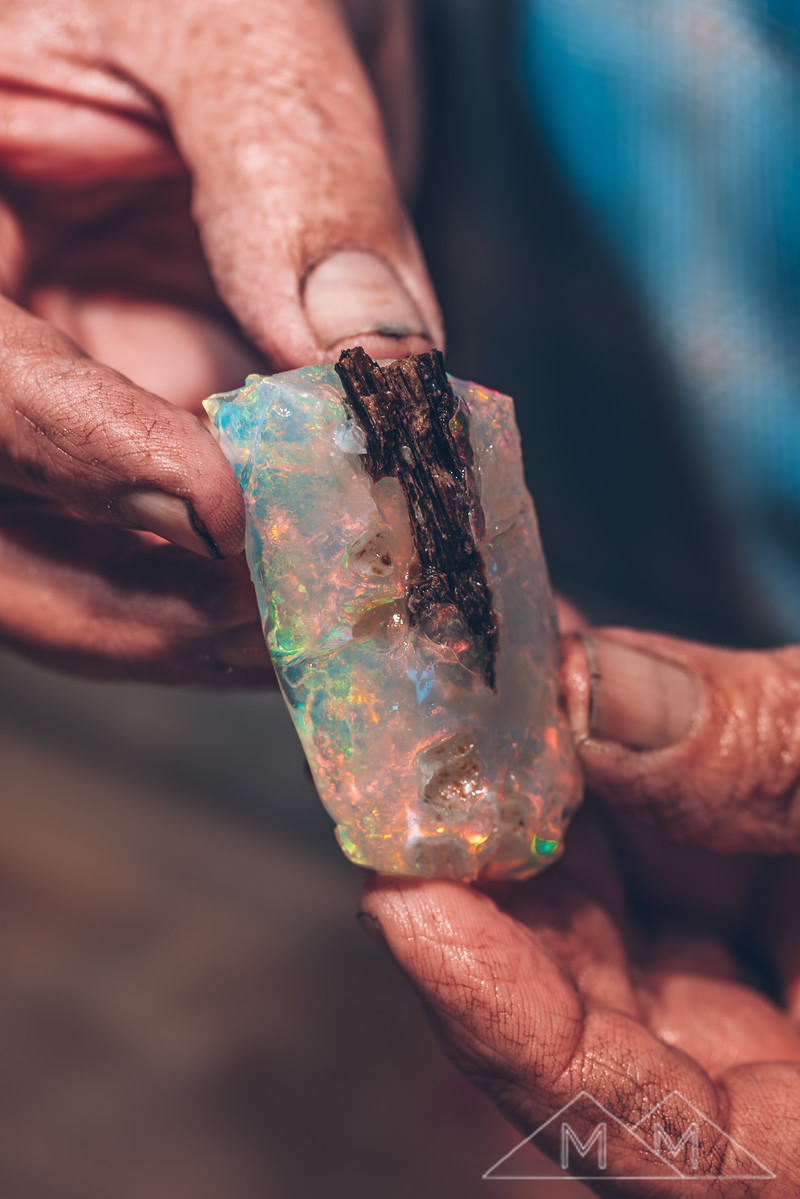
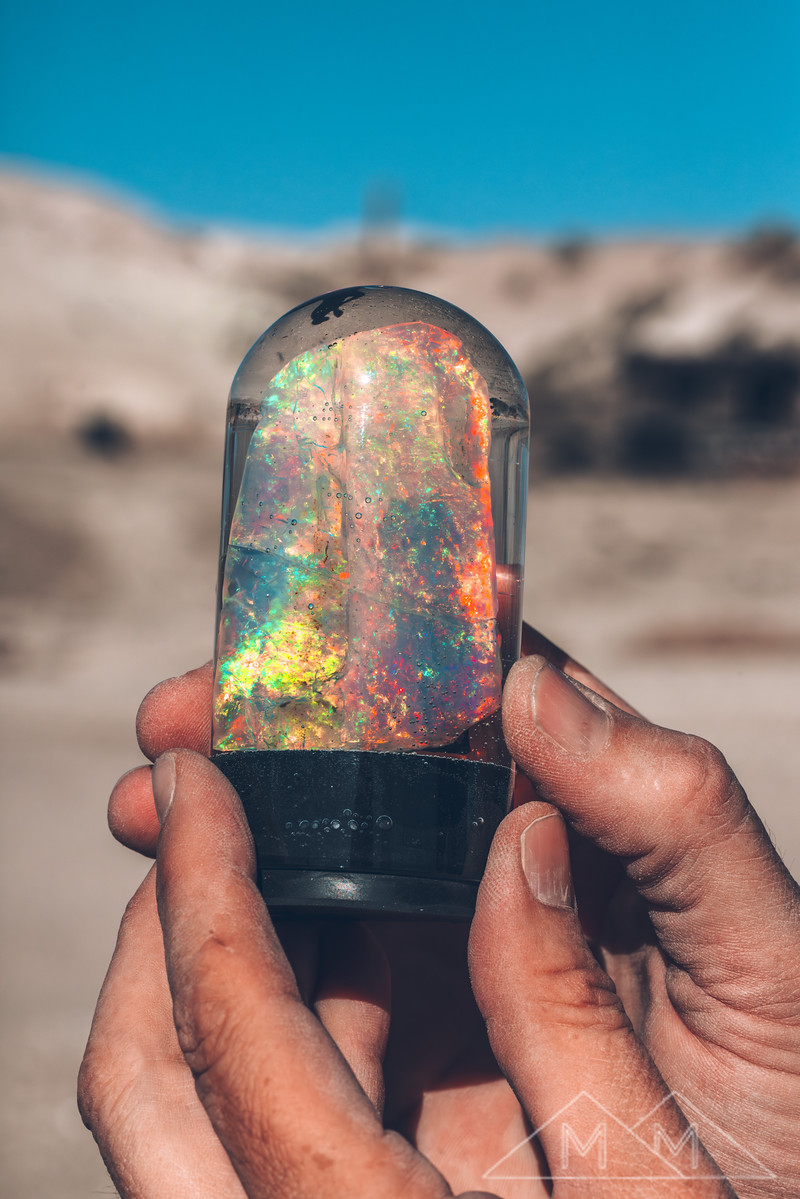
Here's the honest part, because we'd rather tell you ourselves: a lot of Virgin Valley opal is unstable when it dries. Plenty of pieces will craze — develop fine cracks — once they leave the wet clay they sat in for millions of years. That's why the big find lives in a water dome, why much of what we keep from these trips stays in jars as display specimens, and why anything we do cut and sell from there gets dried slowly, watched for months first, and described with the same full honesty as everything else on the bench.
The ground holds it for ten million years. The least we can do is be patient for a few months.
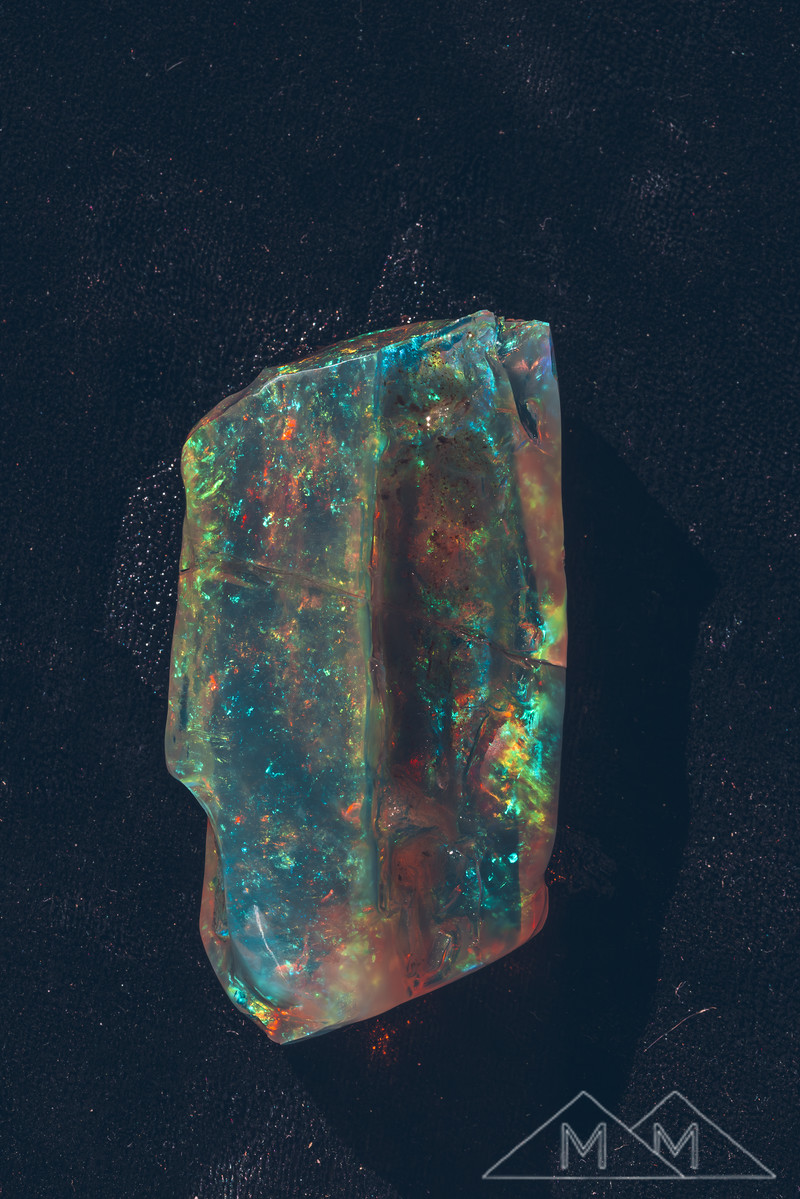
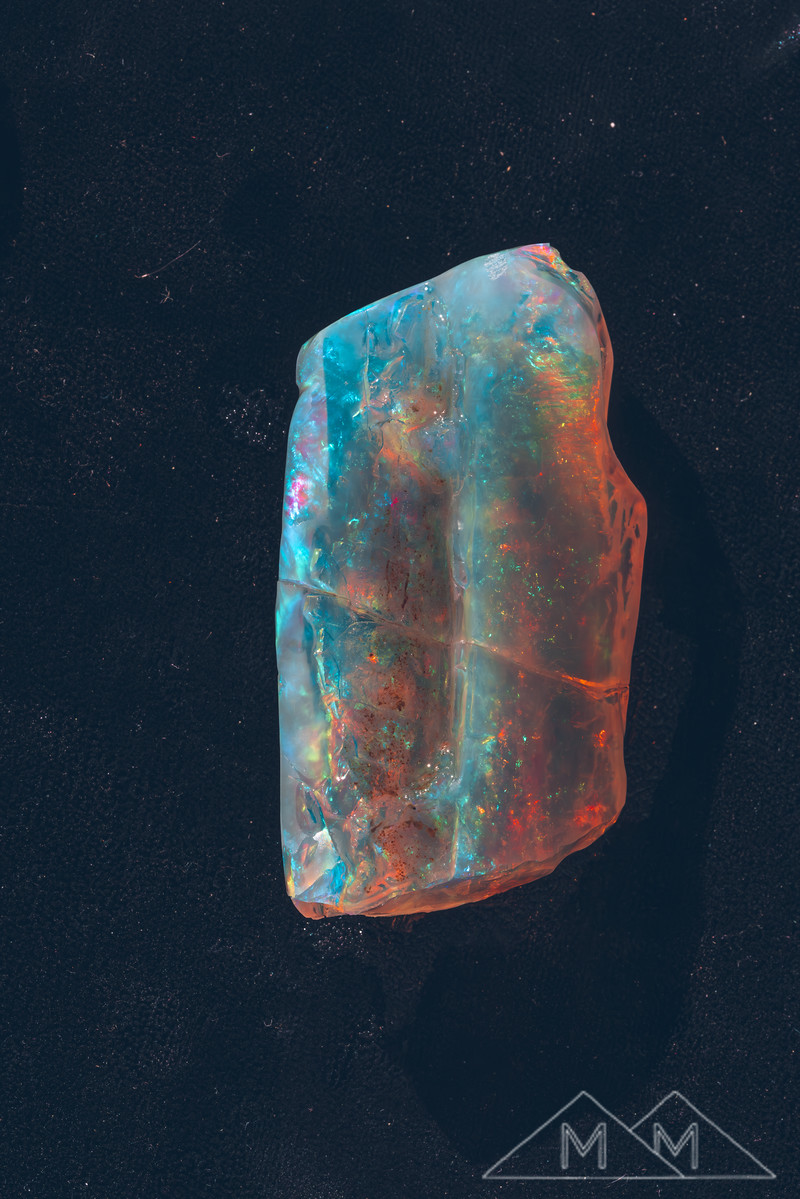
Mark Martucci rode along on the 2024 and 2025 trips and shot everything you see here; both full galleries are linked below. The mine is where the shop's name stops being a brand and goes back to being a place.