Where opal comes from
Lightning Ridge, Coober Pedy, the Ethiopian Highlands, Virgin Valley. Different places, different stone.
Australia produces the most opal by volume. Lightning Ridge in New South Wales is the primary source of black opal — the dark sedimentary ironstone host, the N1–N4 body tones, the rolling fire that sets the standard for the category. Coober Pedy in South Australia produces most of the world's white opal — lighter body, bright play-of-color, the type that ends up in most commercial jewelry settings. Those two towns cover the two extremes of the Australian opal spectrum.
Ethiopia's Welo region became a significant market source in the early 2000s. The material is geologically different — formed in volcanic rhyolite rather than sedimentary ironstone — which produces the hydrophane behavior, the crystal and honey body types, and the lavender tones that don't come from Australian deposits. Welo opal expanded what buyers and cutters understood about the range of what opal could be.
Virgin Valley
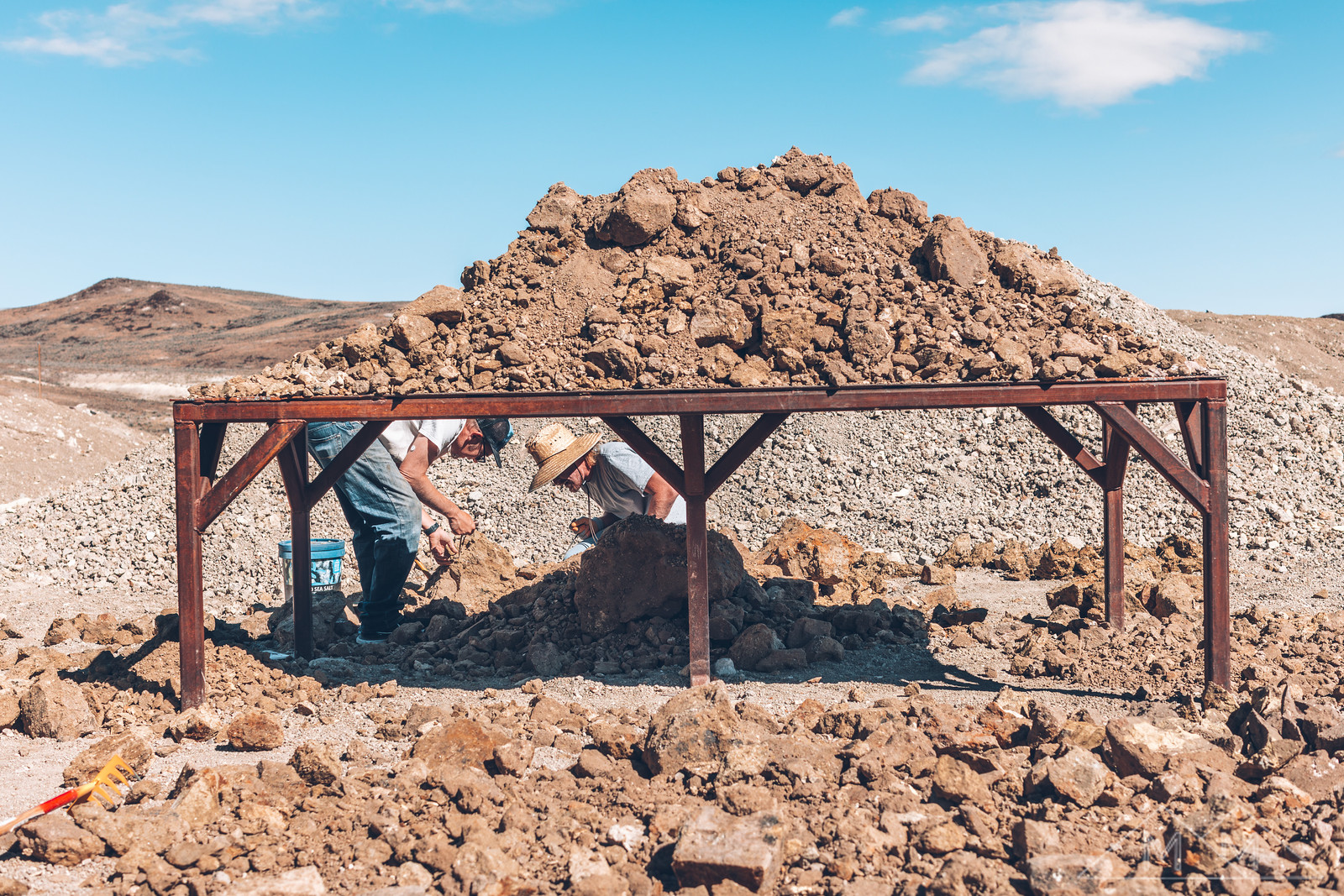
Virgin Valley in northwest Nevada is the main North American opal source. The material forms in volcanic ash and bentonite clay — similar volcanic-sedimentary origin to Ethiopian, but with dramatically higher water content and a correspondingly higher instability risk. Virgin Valley produces crystal opal, limb casts, wood replacement opal, and occasional large specimens. Almost none of it gets cut for jewelry. The best pieces live in water domes. The photo above is from Rainbow Ridge, the mine Glen and Donna Hodson run in the same valley — that pile of clay is what a full digging day looks like before anything comes up.